
A Bright Spot Does Not Tell the Whole Story
Imagine examining a sample of diamond nanocrystals under a confocal microscope. Among the background, several bright emission spots become visible. Some are well separated, making them promising candidates for individual quantum emitters.
But how can we determine whether a bright spot represents a single-photon emitter?
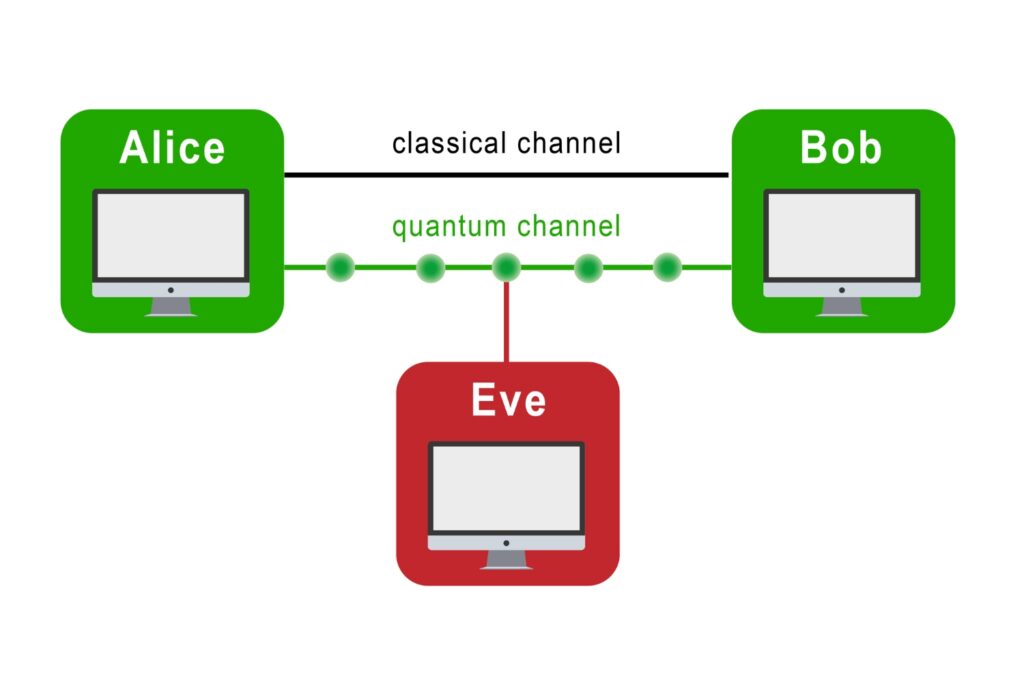
This distinction matters in quantum photonics, where the ability to generate individual photons is central to applications such as quantum communication, quantum networks, and quantum sensing. Diamond nitrogen-vacancy (NV) centers are particularly useful for investigating these properties because they combine photostability with operation at room temperature.
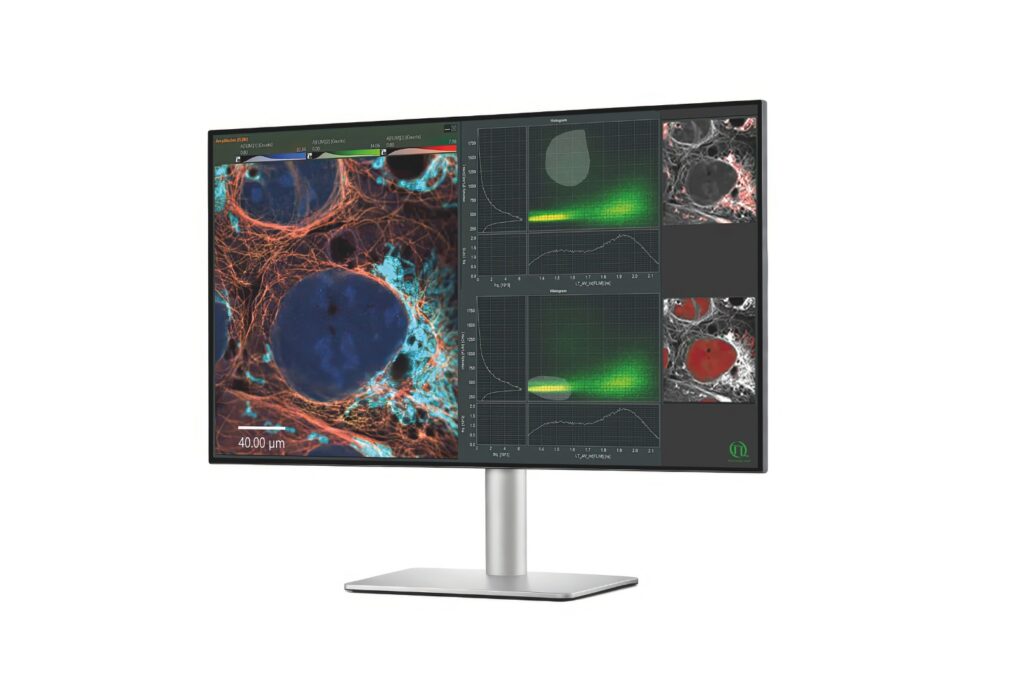
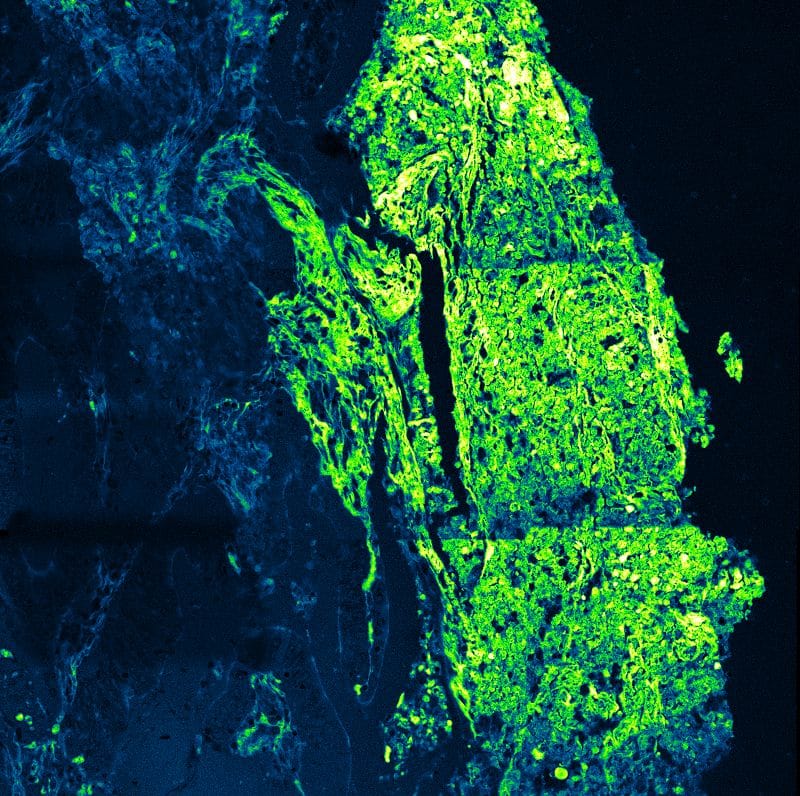
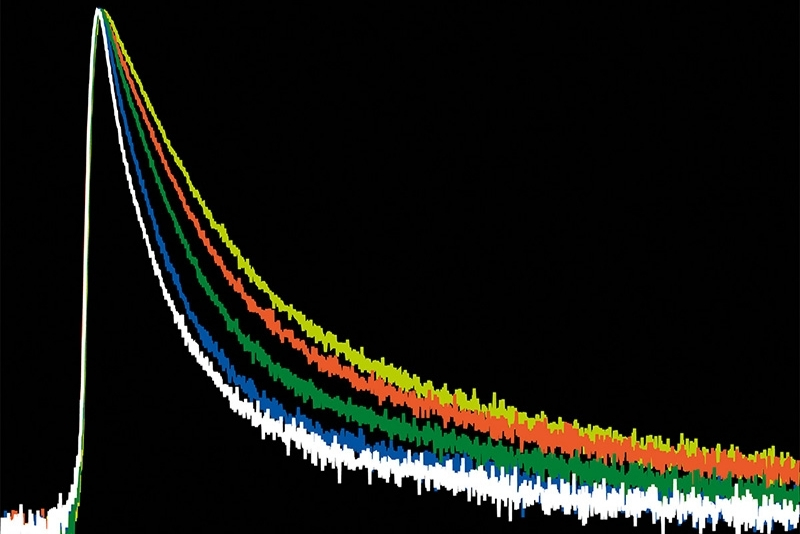
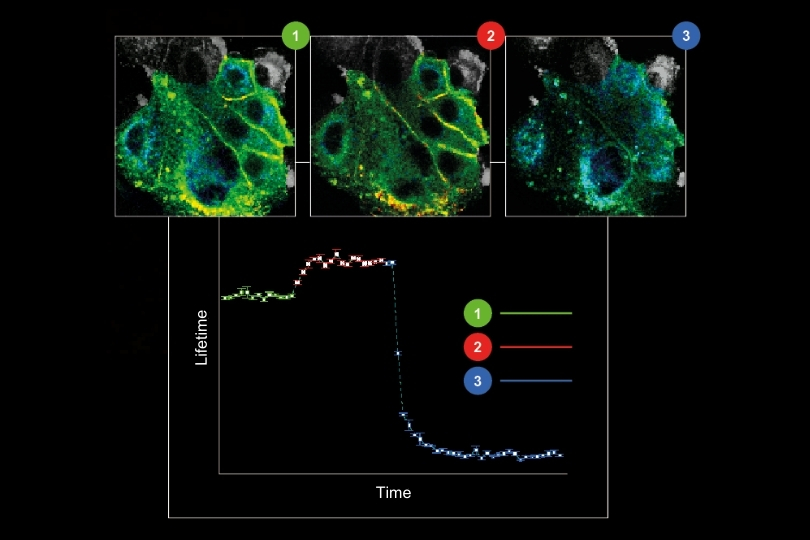
Time-resolved photoluminescence (TRPL) imaging allows researchers to locate candidate emitters and investigate their emission characteristics. However, an isolated emission spot does not necessarily correspond to a single NV center. Multiple emitters may contribute to the detected signal within the diffraction-limited excitation volume.
How can single-photon emission be verified?
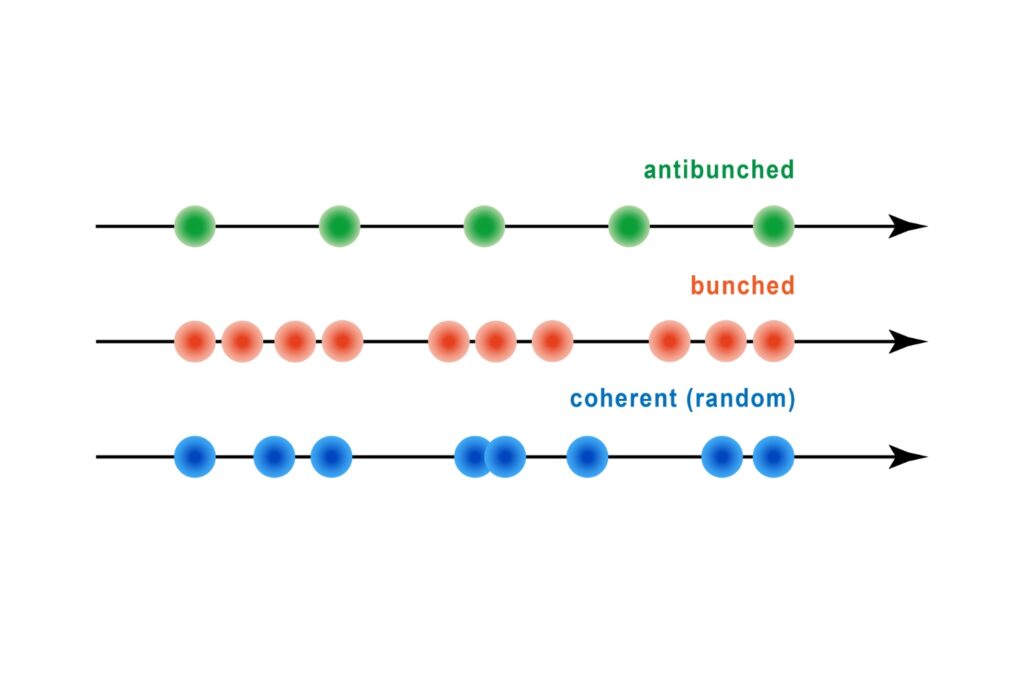
The answer lies in photon correlation measurements. By analyzing the second-order correlation function, g⁽²⁾(τ), researchers can identify photon antibunching, a characteristic signature of single-photon emission. A g⁽²⁾(0) value below 0.5 is commonly used as evidence of emission dominated by a single quantum emitter.
From Localization to Verification with Solira
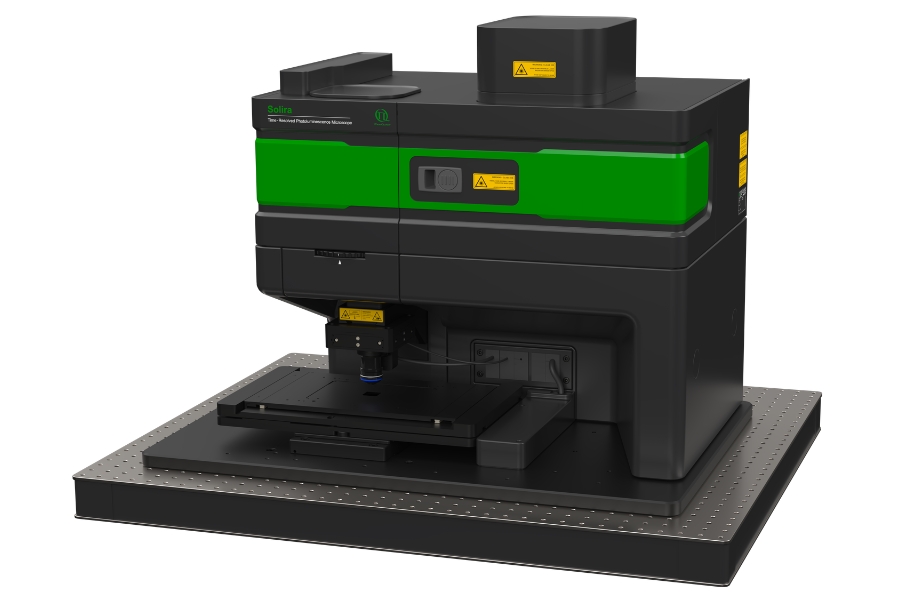
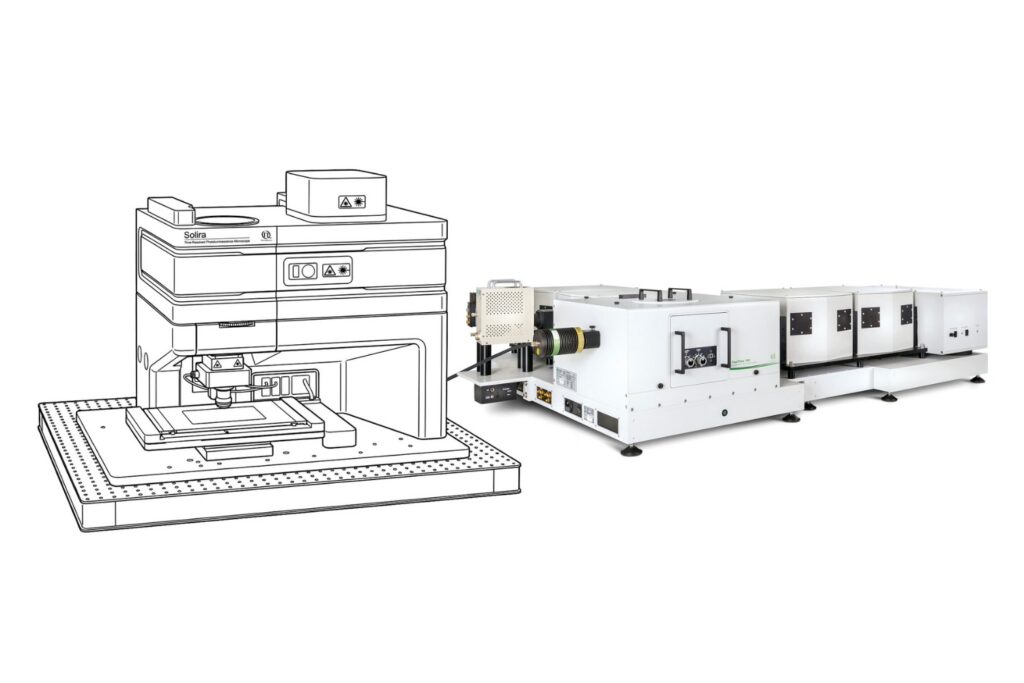
In our new Application Note, we demonstrate how PicoQuant’s Solira time-resolved photoluminescence microscope combines TRPL imaging and photon correlation measurements to investigate diamond NV centers in commercial and lab-prepared nanodiamonds.
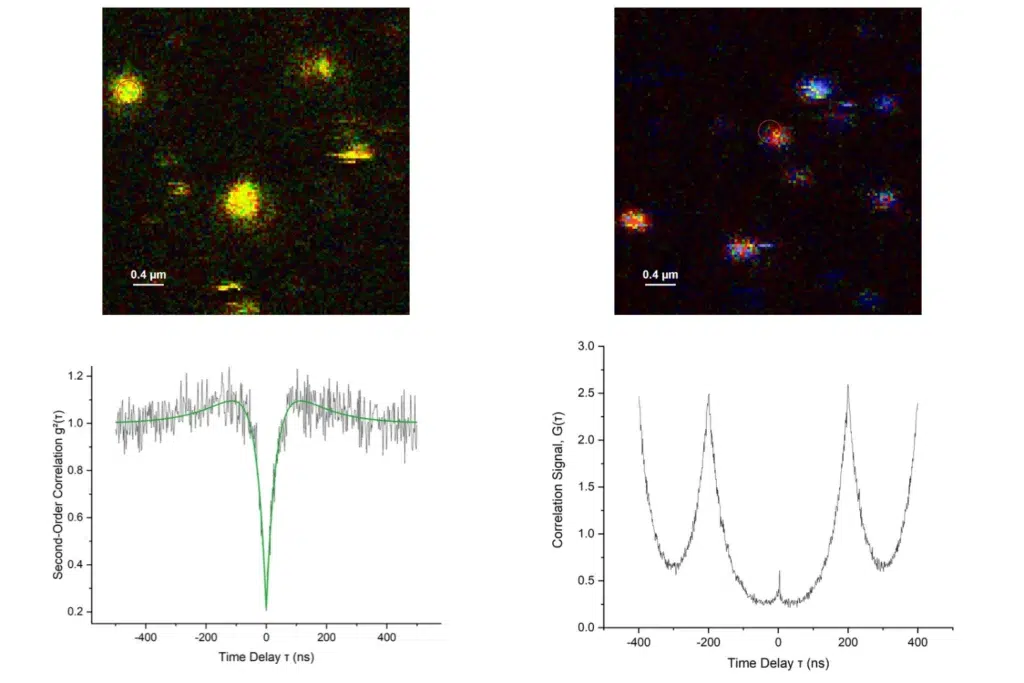
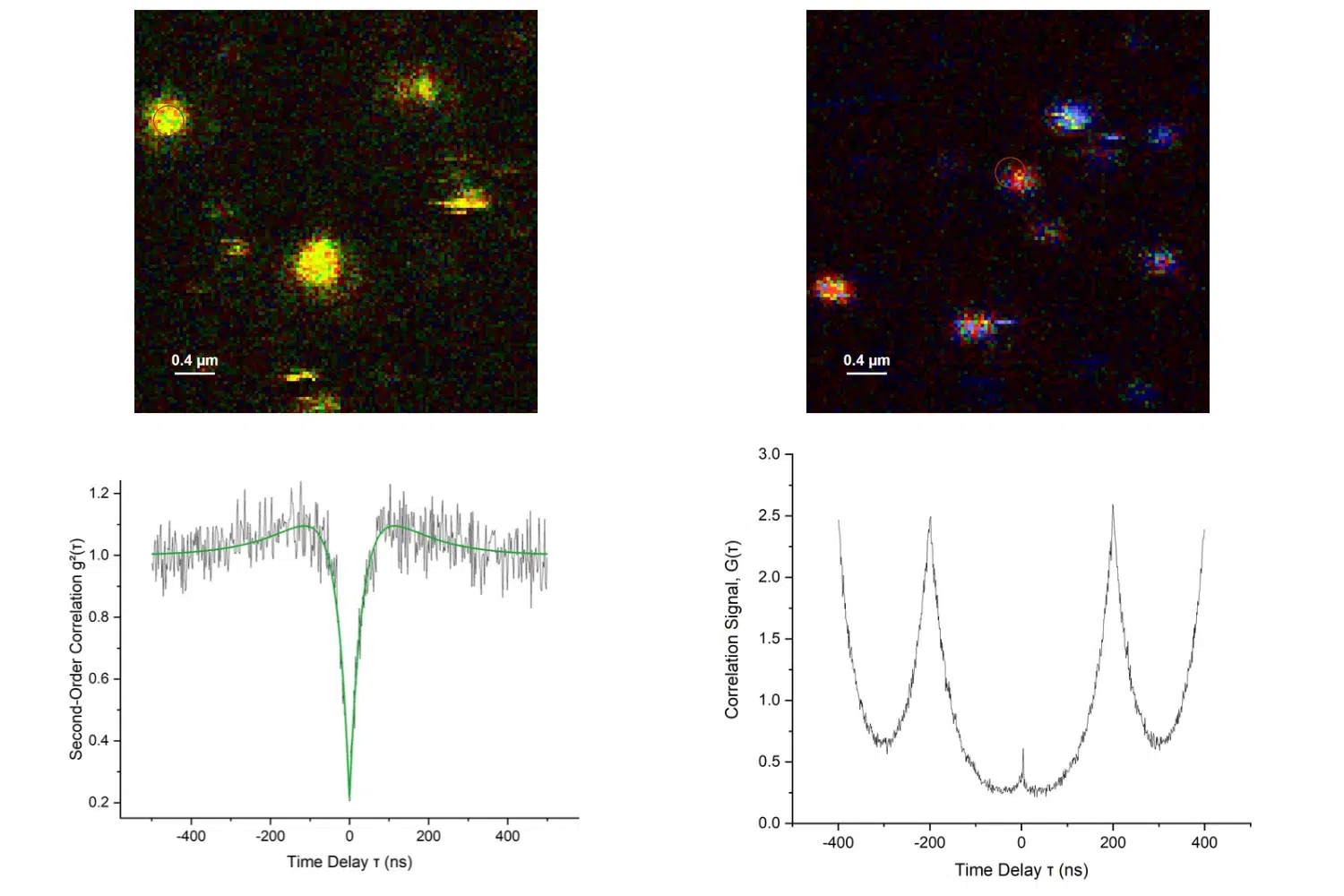
After locating candidate emitters through TRPL imaging, selected emission spots were characterized under continuous-wave and pulsed excitation.
The measurements revealed pronounced photon antibunching in both samples, with a fitted g⁽²⁾(0) value as low as 0.21, demonstrating single-photon emission characteristics at selected positions.