1996
Four young scientists and engineers in Berlin Adlershof start developing and producing picosecond pulsed diode lasers, the LDH series, and the manually controlled laser driver PDL 800.

1997
For the first time, PicoQuant takes part as an exhibitor at the BiOS (USA) and the Laser – World of Photonics (Munich) conferences.

1998
PicoQuant introduces the TimeHarp 100 – its first TCSPC unit – to the market, coupled with the first visit to a customer by a company employee.

1999
The first FluoTime 200 (steady state and time-resolved fluorescence spectrometer) is installed at the Universite Catholiqué de Louvain (Leuven, Belgium).

2002
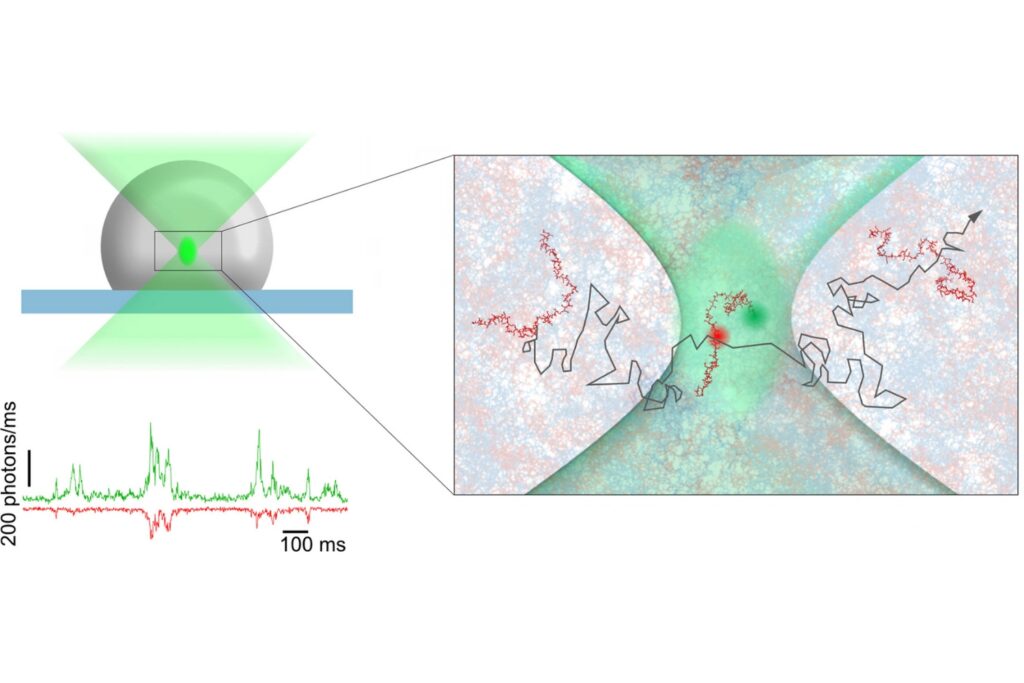
This year marks the introduction of the MicroTime 200 – a single molecule sensitive confocal microscope as well as the release of the 32bit version of the SymPhoTime, the world’s first commercially available FLIM & FCS analysis software

2003
The first Time-resolved Fluorescence Course is organized, featuring renowned speakers, such as J. R. Lakowicz, Zygmunt “Karol” Gryczynski, Richard Thompson, Stefan Hell and Jörg Enderlein.

2005
The company (with a headcount of about 30 employees) moves to its current location.
First installation of a LSM Upgrade kit for FLIM & FCS. This marks the beginning of a fruitful collaboration with Leica, Nikon, Olympus, and ZEISS.

2008
Sales and support in North America is now handled by PicoQuant Photonics North America Inc.

2009
First edition of the Time-resolved Microscopy Course, featuring many renowned scientists as speakers, including Paul French, Jörg Enderlein, Fred Wouters, Johan Hofkens, Chris Dunsby, Mark Hink, Alberto Diaspro, Stefanie Weidtkamp-Peters, Jelle Hendrix.

2012
PicoQuant releases its first detector model from the PMA Hybrid Series. These are compact, single photon sensitive detector assemblies based on a fast hybrid photomultiplier tube with a Peltier cooling element for reduced dark count rates.

2014
Only four weeks after presenting their work at Single Molecule Workshop at PicoQuant, Stefan W. Hell and W.E. Moerner are awarded the Nobel Prize in Chemistry along with Eric Betzig for the “development of super-resolved fluorescence microscopy”.

2015
PicoQuant introduces two new high-powered laser modules with variable repetition rates: the VisIR-765 “STED” and the VisUV, which provide laser pulses with temporal widths optimized for stimulated emission depletion (STED) microscopy and fluorescence lifetime applications.

2018
PicoQuant releases the Taiko PDL M1, a high-end picosecond diode laser driver with a smart design. This next generation driver is capable of monitoring and controlling (nearly) all parameters of a connected laser head either via a local one button control or remotely via a PC.

2020
PicoQuant GmbH strengthens its local presence in China with an official Chinese website. Together with 20 trained sales and support staff on-site in Wuhan at the established showroom, the Chinese community’s needs can now be optimally served.

2021
Celebrating 25 years: More than 125 people currently work for the PicoQuant group, primarily at its German headquarters, and with strong sales and support teams in the USA and in China.

2022
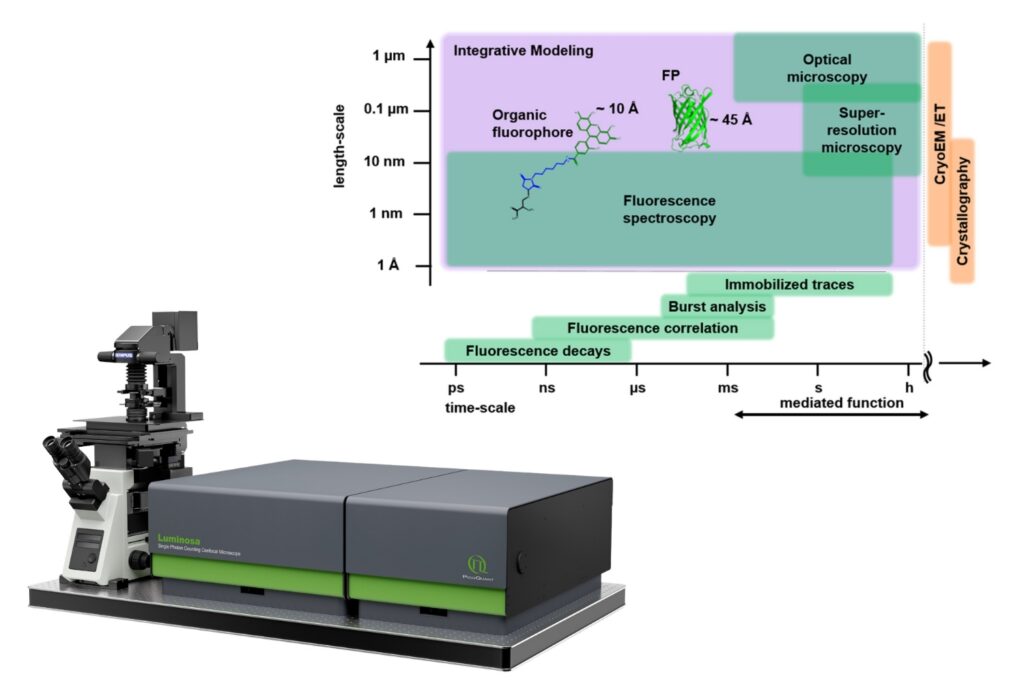
Luminosa, a time-resolved Single Photon Counting Confocal Microscope reaches the market. Luminosa pairs highest data quality with remarkably simple day-to-day operation. It easily integrates into any researcher’s toolbox and becomes a time-efficient, reliable companion for scientists.

2023
PicoQuant releases time tagger PicoHarp 330. With a time resolution of 1 ps and outstanding timing precision of 2 ps RMS the new event timer and TCSPC unit is made for cutting-edge photonics research

2025
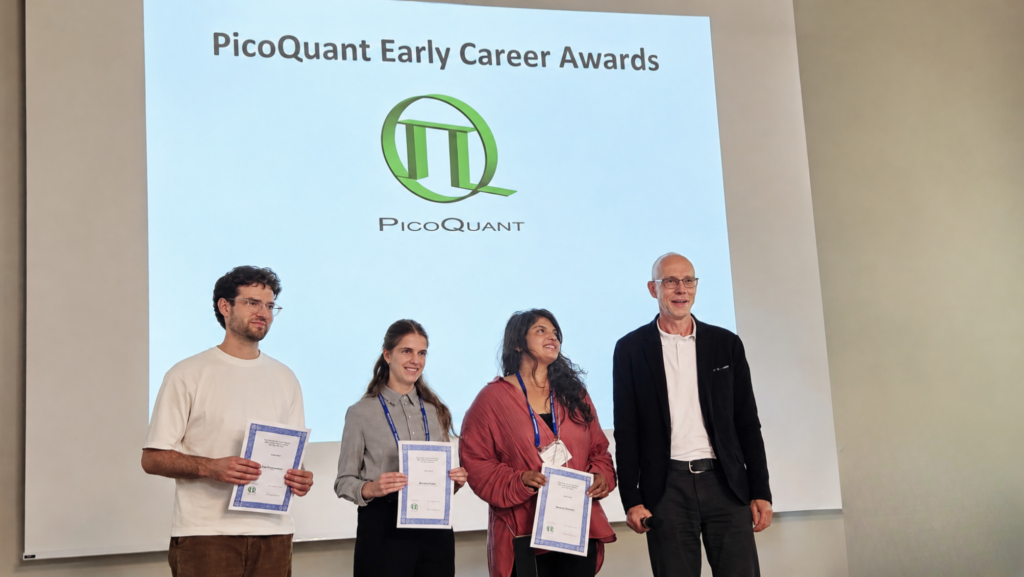
PicoQuant successfully concluded the 30th International Workshop on Single Molecule Spectroscopy and Super-Resolution Microscopy in Berlin. From September 23–26, 2025, a record number of 250 participants joined to celebrate three decades of global scientific exchange.

2026
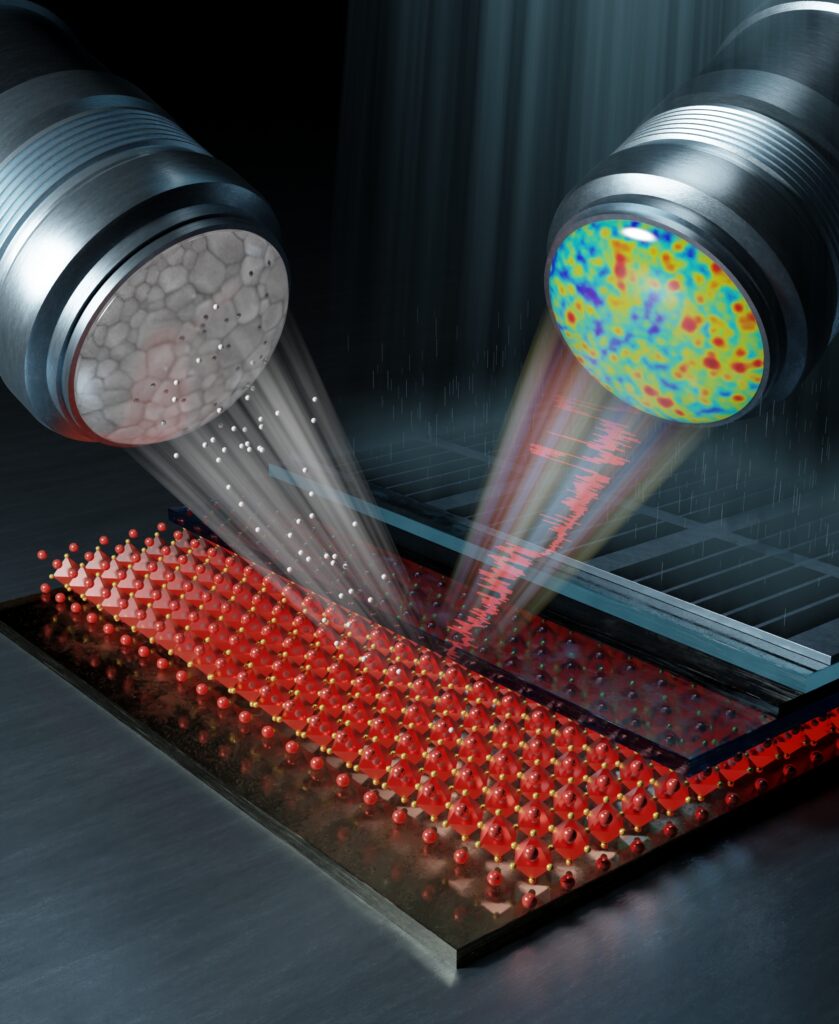
PicoQuant launches “Solira”, a Time-Resolved Photoluminescence Microscope that simplifies materials characterization with one flexible TRPL microscope. Solira enables multiple methods for precise and efficient analysis.