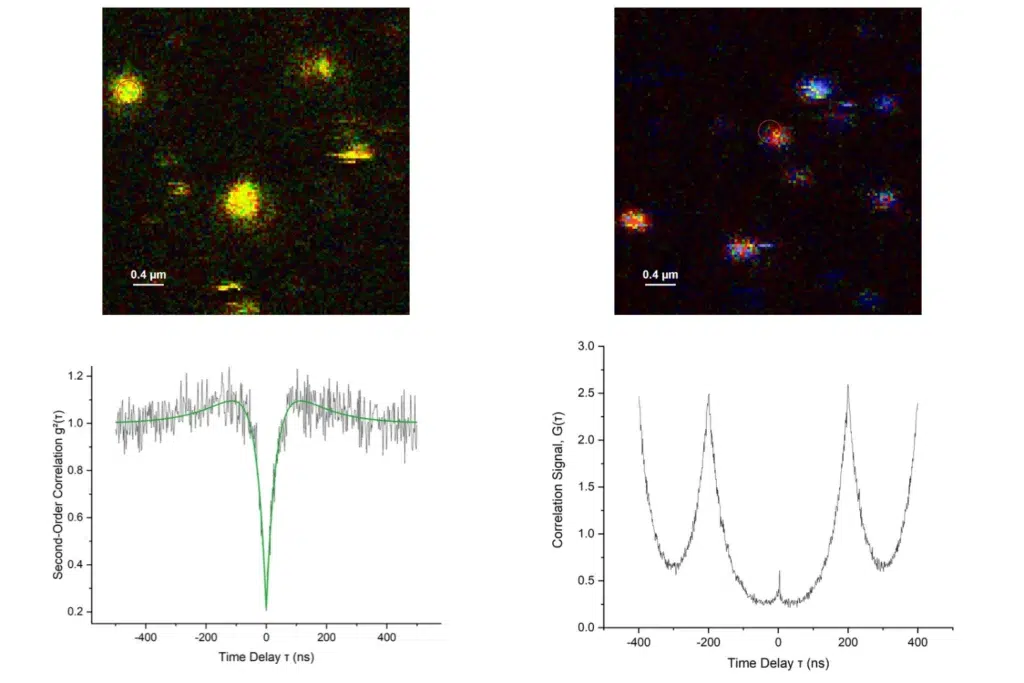



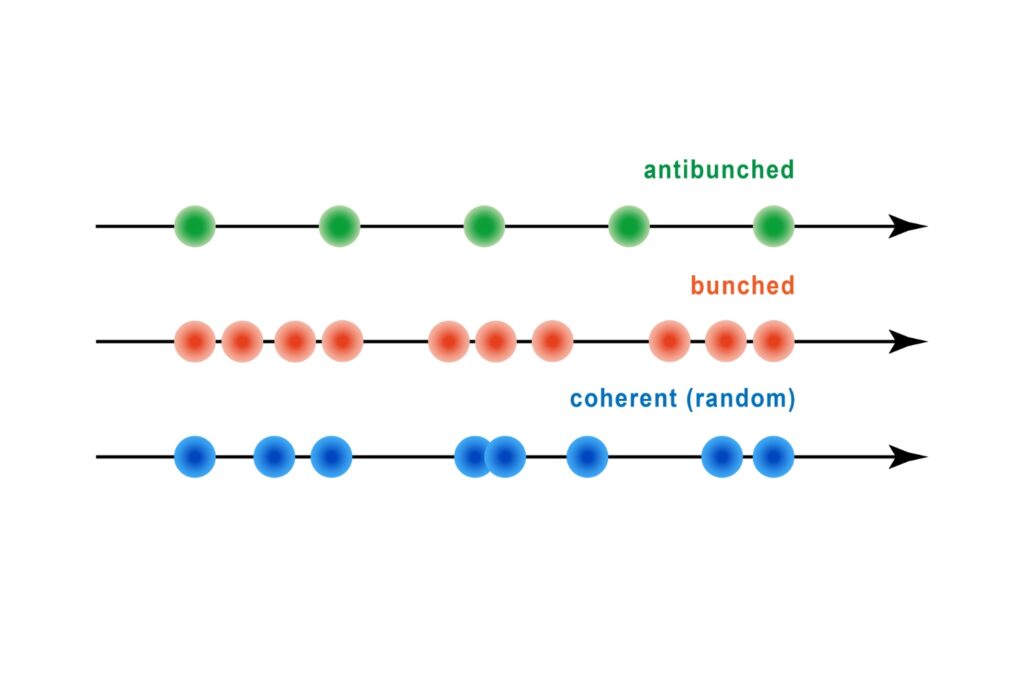
Photon antibunching provides direct access to the photon statistics of an emitter and is one of the key methods for verifying single-photon emission. Obtaining a meaningful g(2)(τ) measurement, however, requires more than simply connecting two detectors to a correlator.
A Hanbury Brown and Twiss (HBT) setup must bring together suitable excitation, efficient optical collection and filtering, two well aligned detection paths, precise photon timing, and appropriate correlation analysis. At the same time, the setup should remain flexible enough to accommodate different emitters, wavelengths, and experimental environments.
Our new How-to Guide: Building a Flexible Antibunching Setup provides a practical starting point for designing and operating such a system.
From HBT Optics to Photon Correlation Data
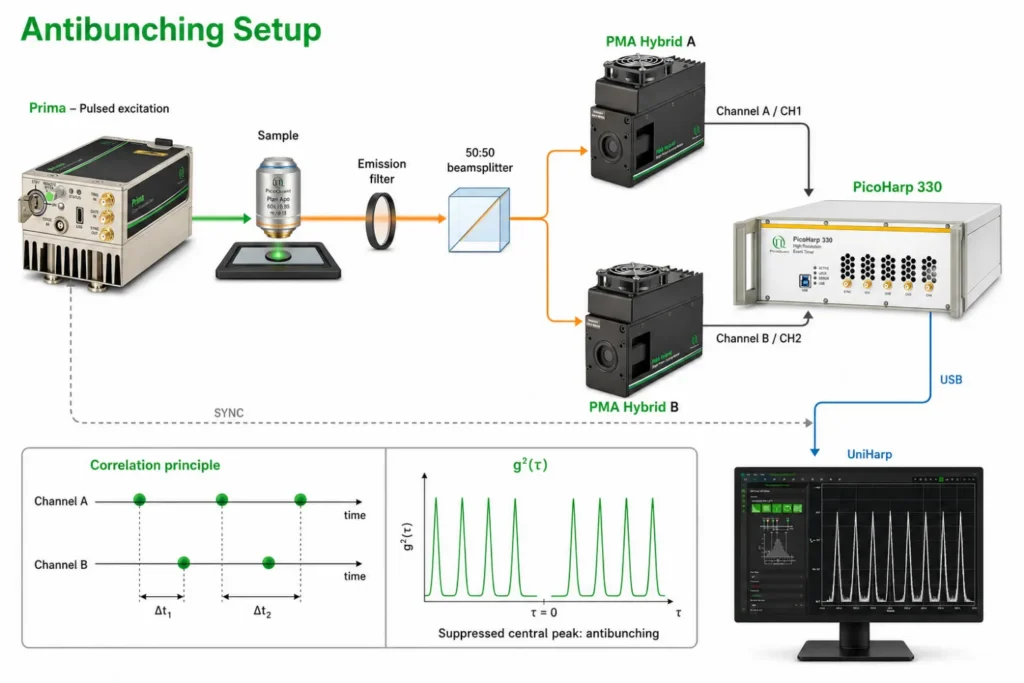
The guide follows the complete measurement chain, from excitation and sample emission to beam splitting, single-photon detection, time tagging, and calculation of the second-order correlation function.
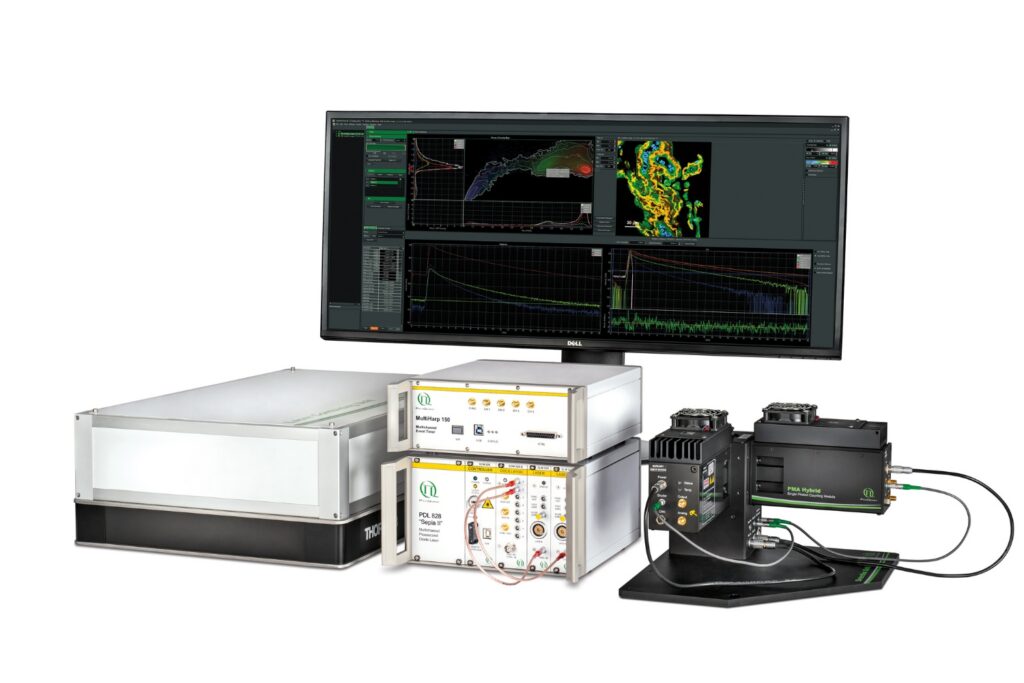
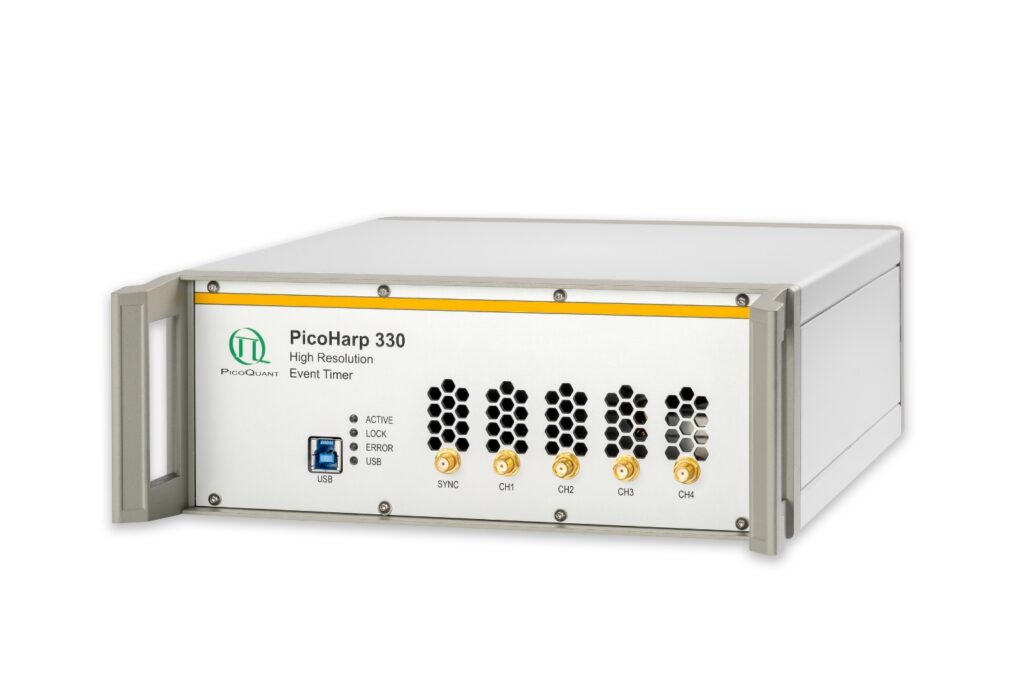
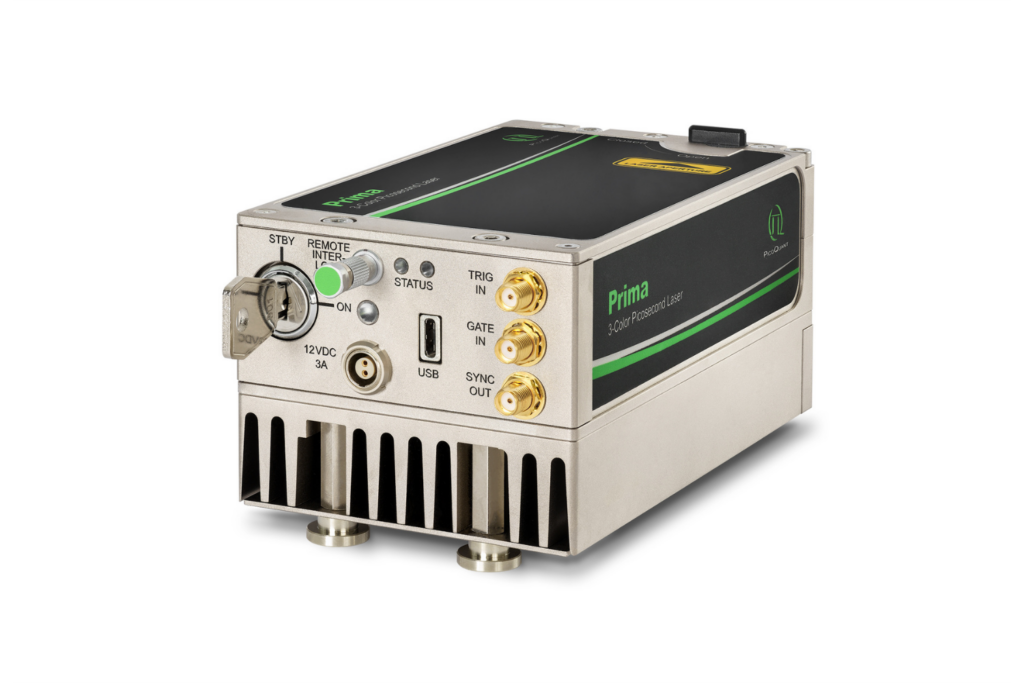
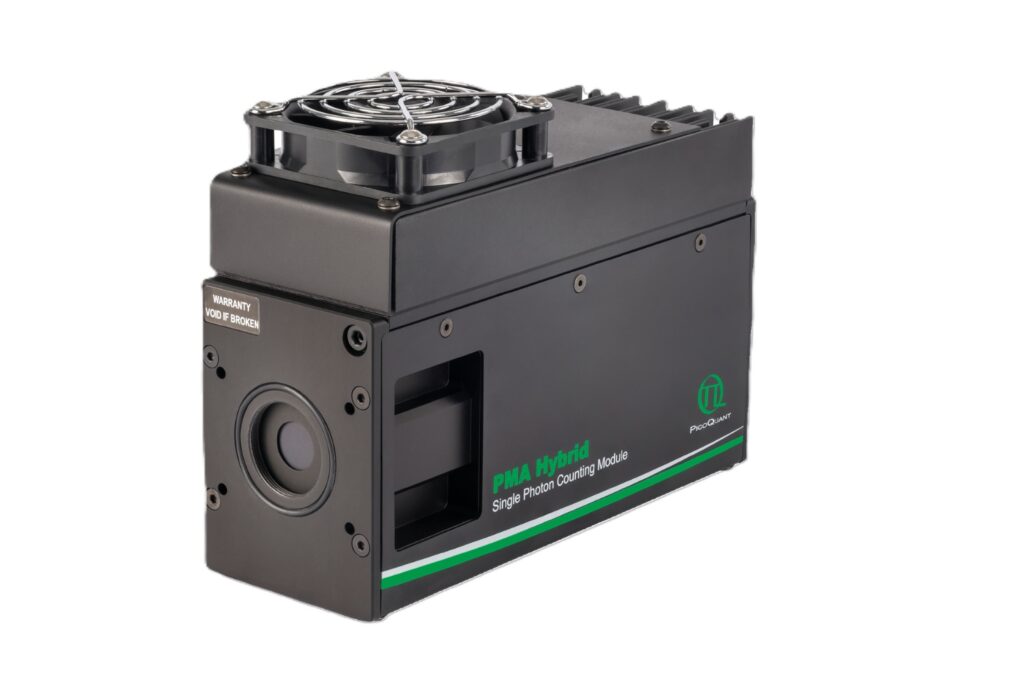
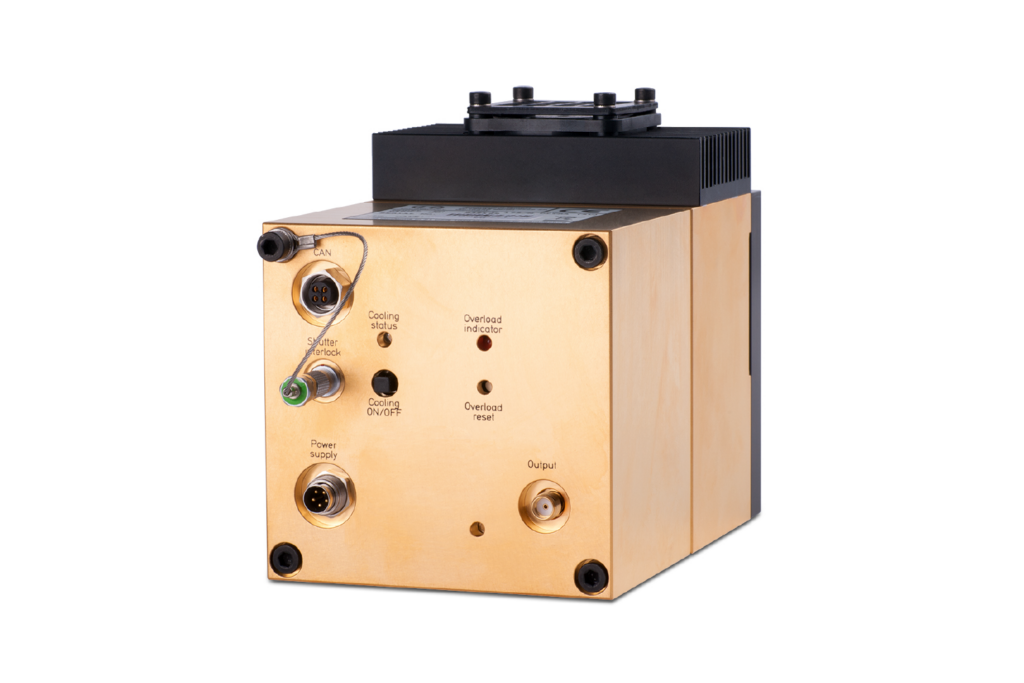
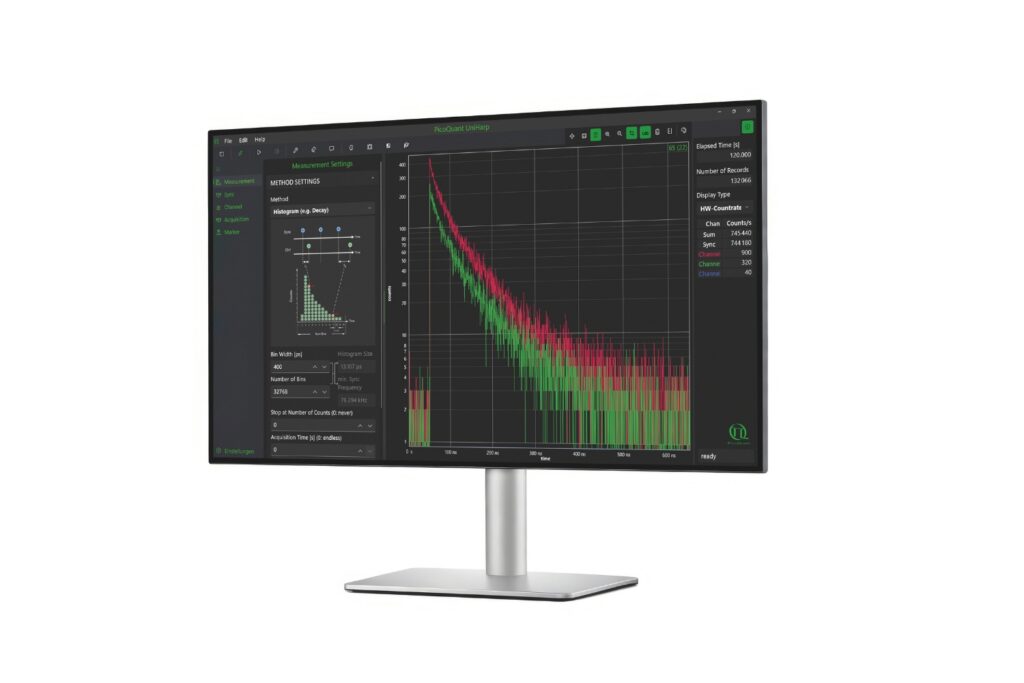
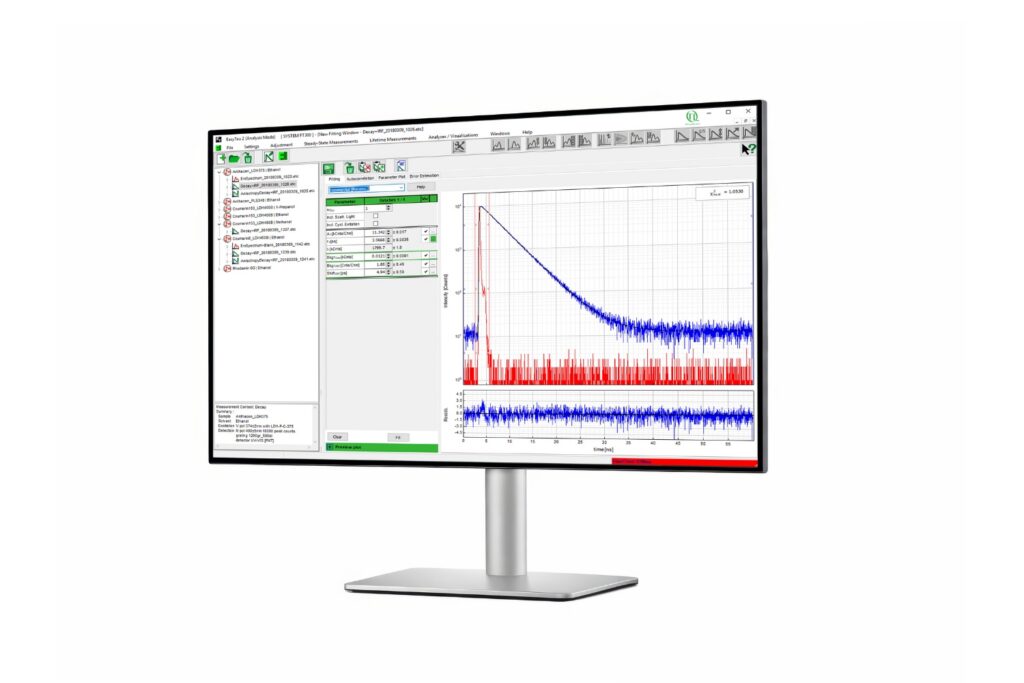
A modular example configuration combines a Prima laser, two PMA Hybrid detectors, PicoHarp 330 time tagging & TCSPC unit, and UniHarp software. More importantly, the guide explains the considerations behind the setup: how to optimize signal-to-background ratio, select suitable excitation conditions, align the two detector paths, monitor measurement stability, and acquire sufficient coincidence statistics.
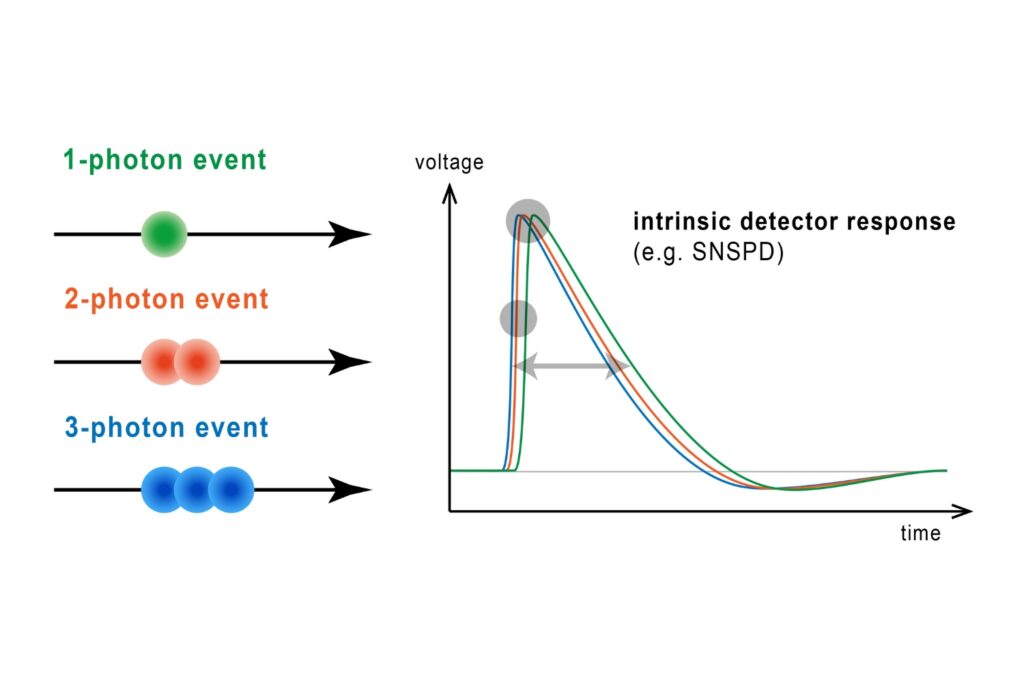
It also discusses how antibunching appears under both pulsed and continuous-wave excitation and why a measured g(2)(0) value should never be interpreted in isolation. Background emission, detector response, temporal binning, normalization, blinking, and finite measurement statistics can all influence the result.
A Practical Resource for Setting Up Your Measurement
Beyond the basic HBT configuration, the guide provides a step-by-step measurement workflow, design priorities, recommendations for data quality control, and a minimum reporting set for documenting antibunching measurements.
Whether you are building a new photon correlation setup or refining an existing one, the guide offers a practical framework for moving from optical alignment to interpretable single-photon measurements.