
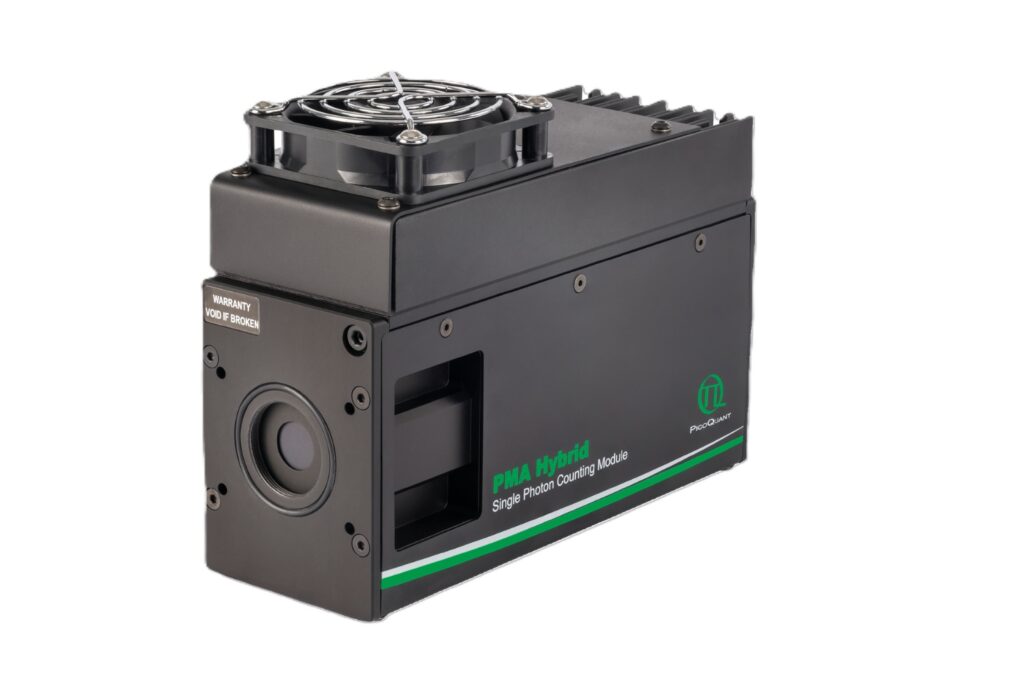
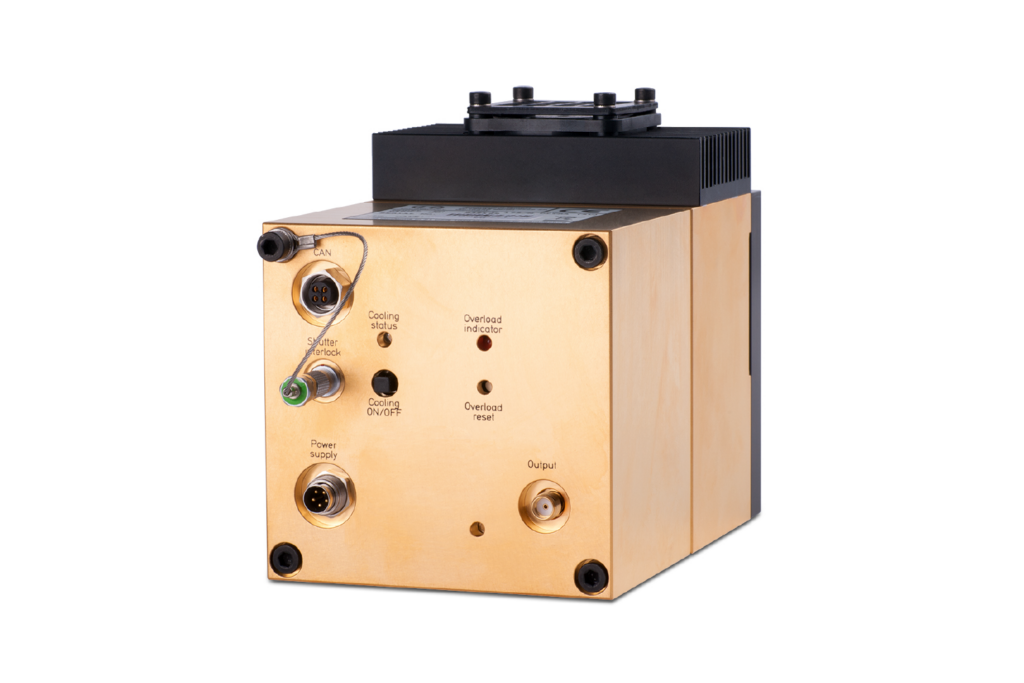
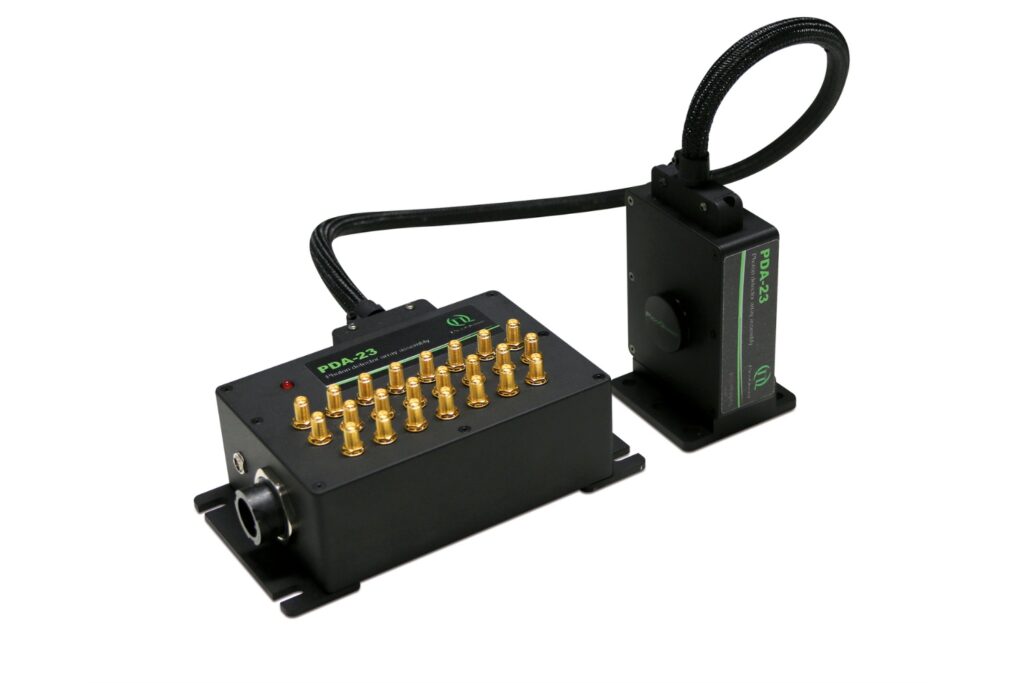
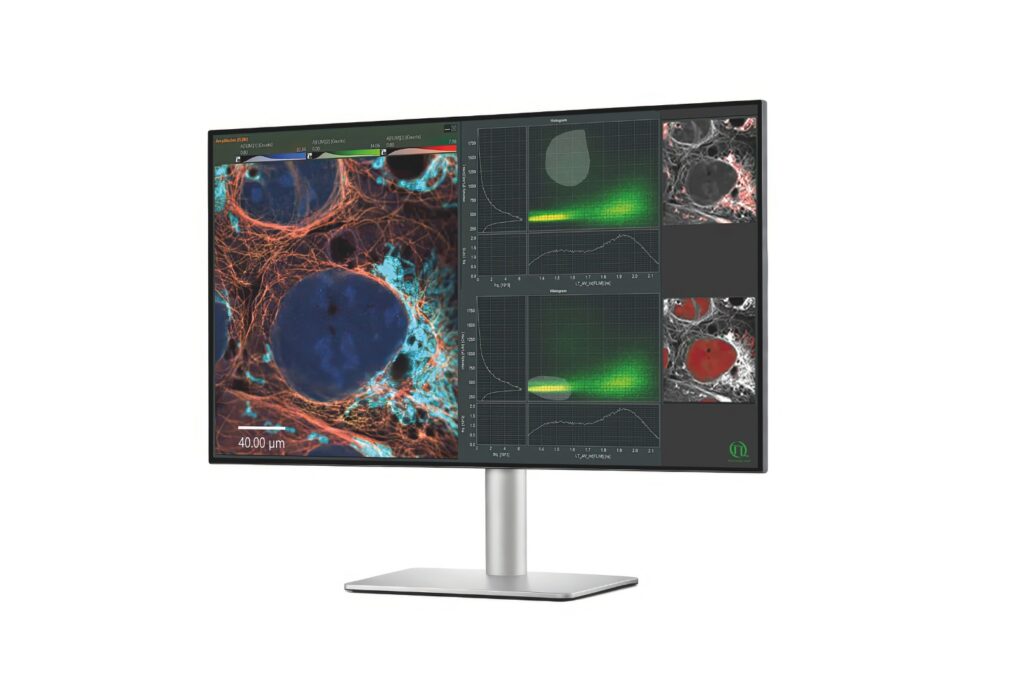


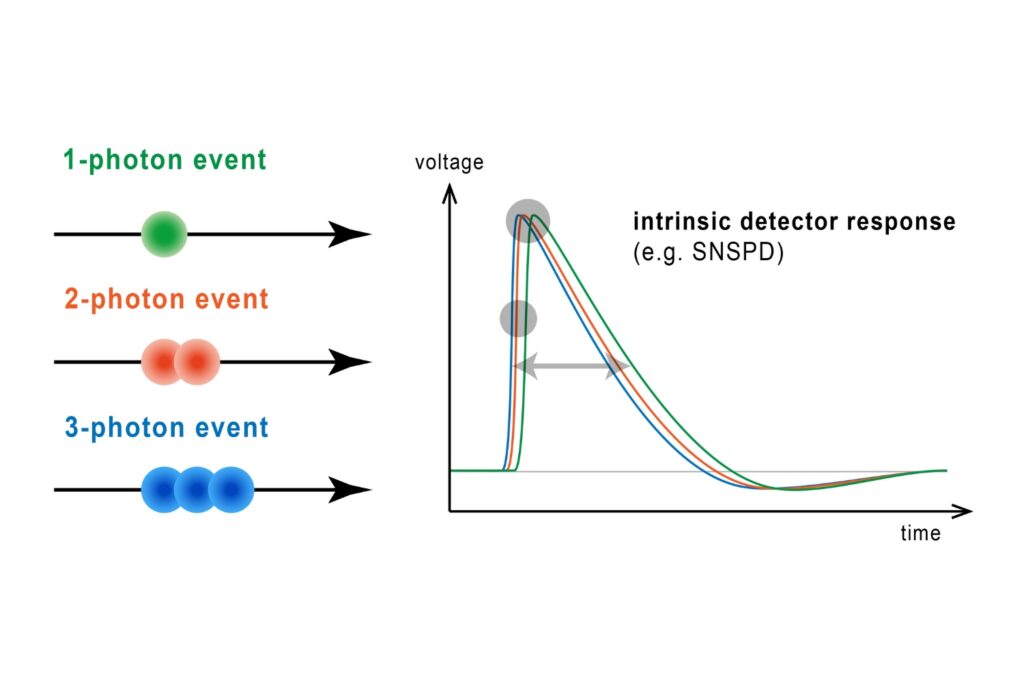
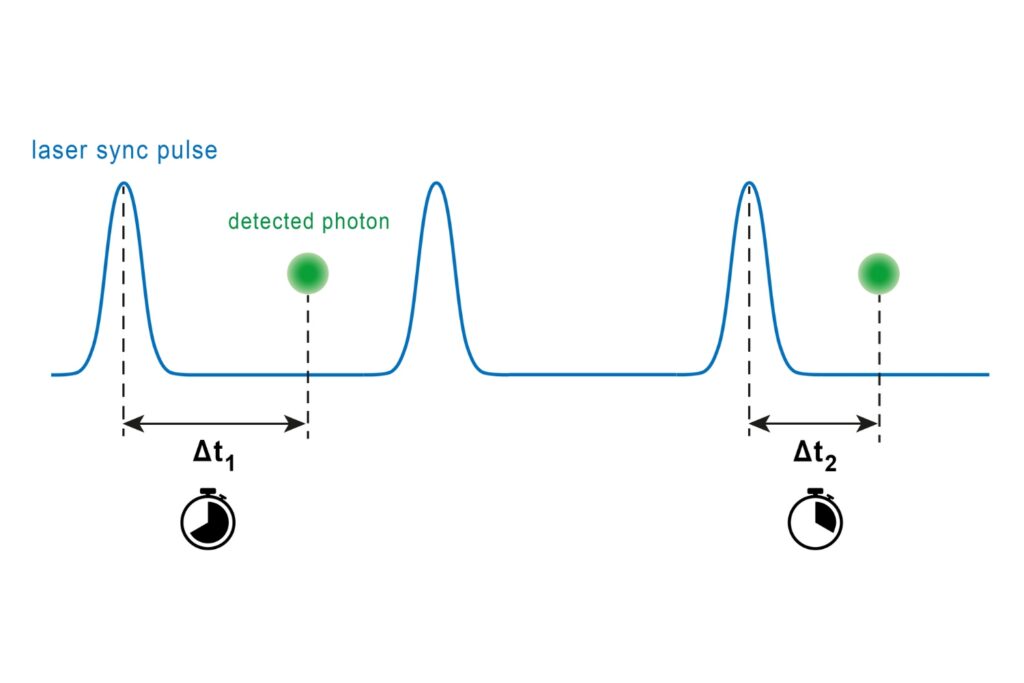
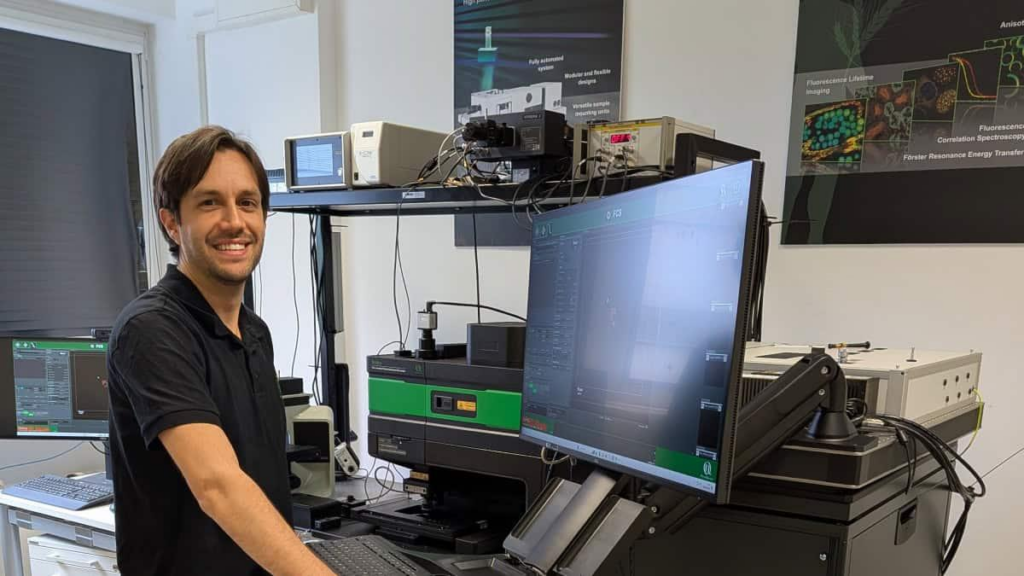
In the latest episode of the Physics World Weekly podcast, our Product Manager for Materials Science Dr. Emilio Gutierrez-Partida explores how time-resolved photoluminescence (TRPL) microscopy helps researchers uncover the dynamics of advanced materials and optoelectronic devices.
What time, position, and wavelength tell us
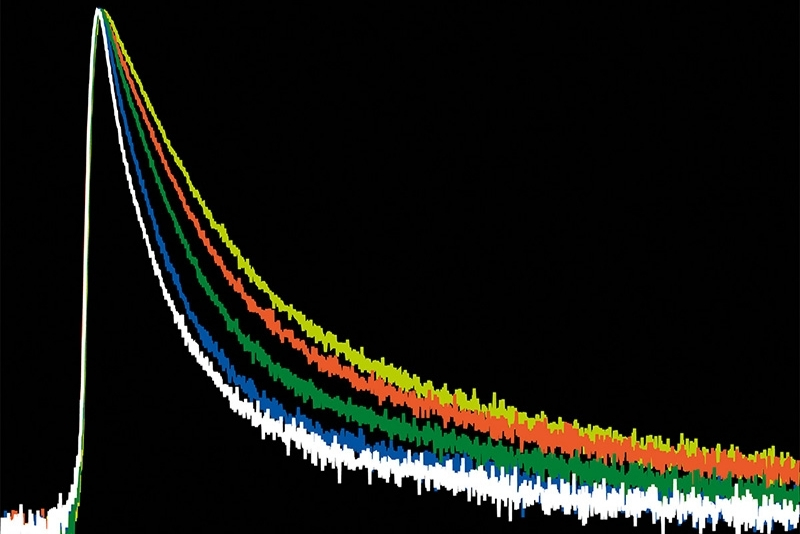
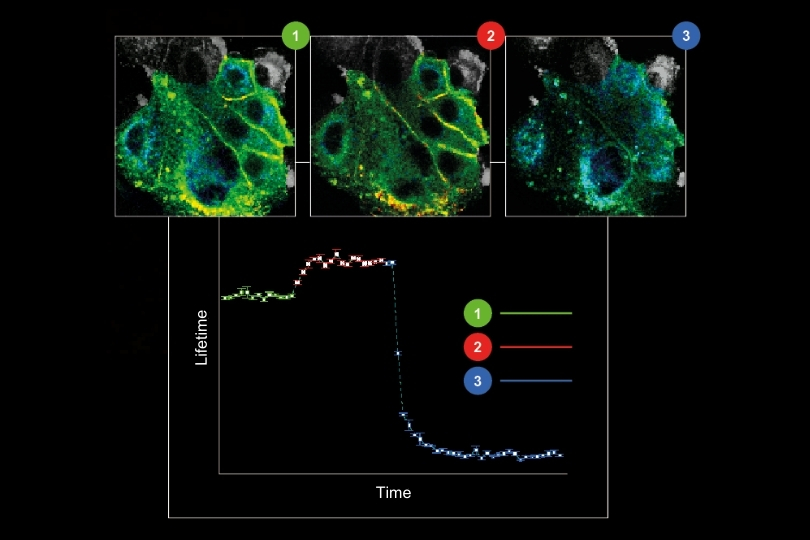
When a material emits light after excitation, the signal can answer several questions. Where on the sample does the emission originate? How quickly does it decay? At which wavelengths does it occur? Combining this information helps researchers compare regions of a sample and investigate how local structure or processing affects its optical response.
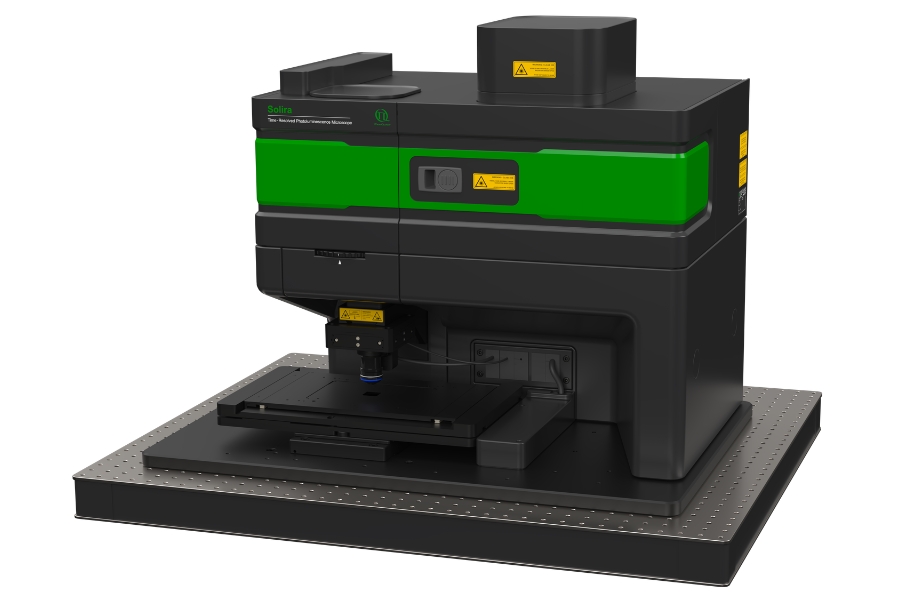
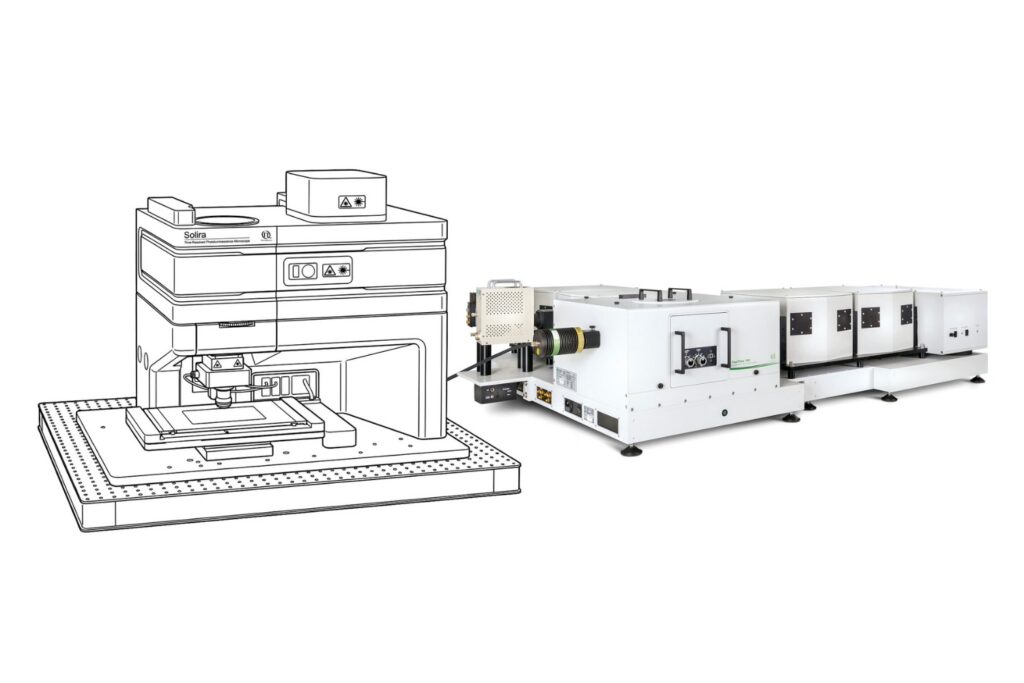
The conversation also takes a closer look at Solira, our time-resolved photoluminescence microscope, and how combining complementary optical measurements within a single platform can provide deeper insights into material properties.
See TRPL imaging in practice
For a practical example, explore how Solira was used to map photoluminescence and analyze local decay behavior across laser-patterned regions of perovskite solar mini-modules.