
The Limits of Single-Spot Fluorescence Correlation Spectroscopy
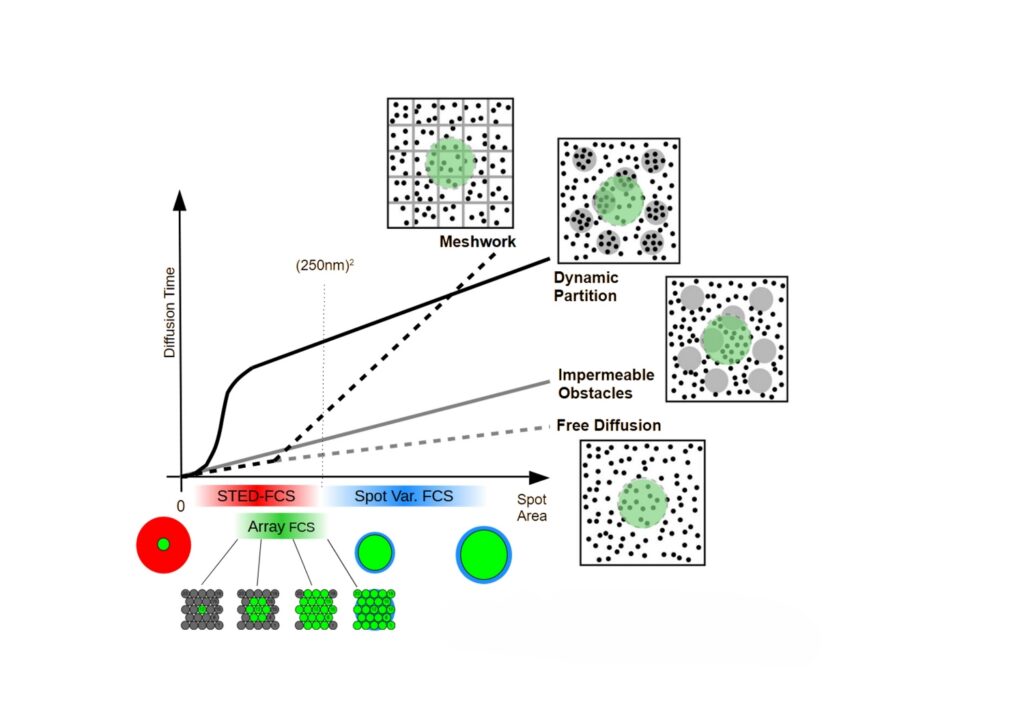
Fluorescence Correlation Spectroscopy (FCS) is widely used to study molecular diffusion and interactions in biological systems. Traditionally, these measurements rely on a single observation volume, which limits the ability to explore spatial heterogeneity, diffusion barriers, or complex transport behavior in living systems.
How SPAD Arrays Expand the Analytical Possibilities of FCS
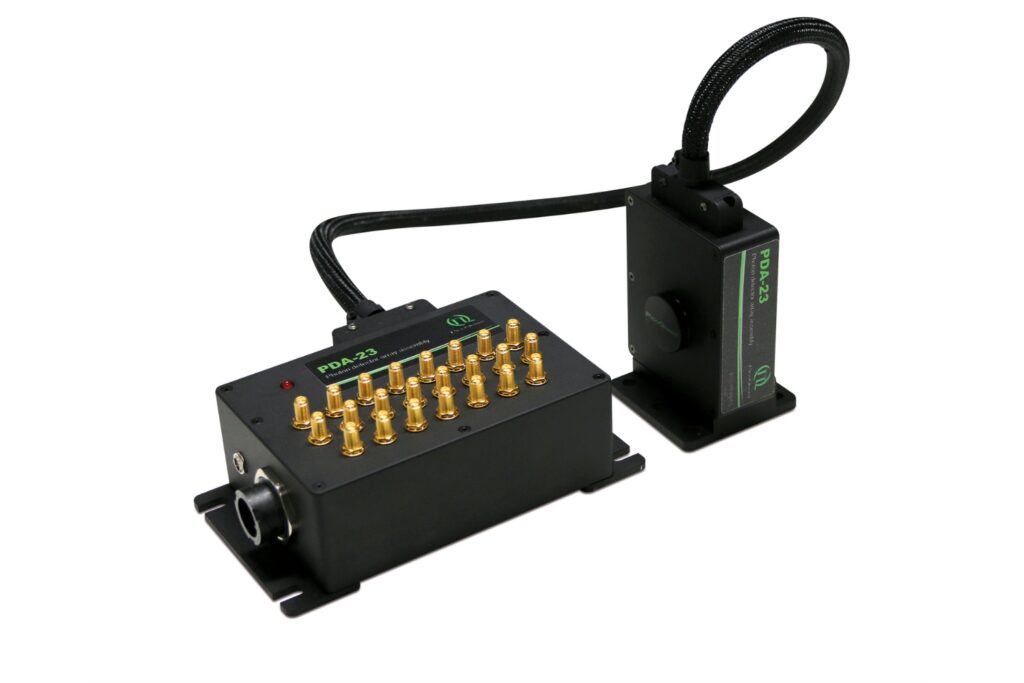
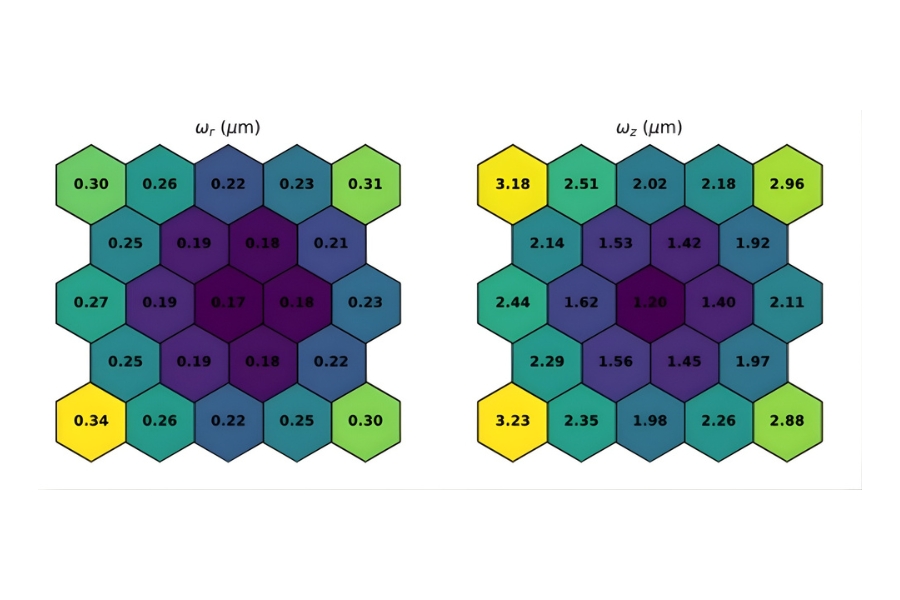
Recent detector developments are beginning to change this picture. SPAD arrays allow correlations to be calculated not only within a single detection channel but across multiple pixels simultaneously. This enables new experimental strategies such as spot-variation FCS, multi-foci FCS, or cross-correlation between spatially separated detection volumes.
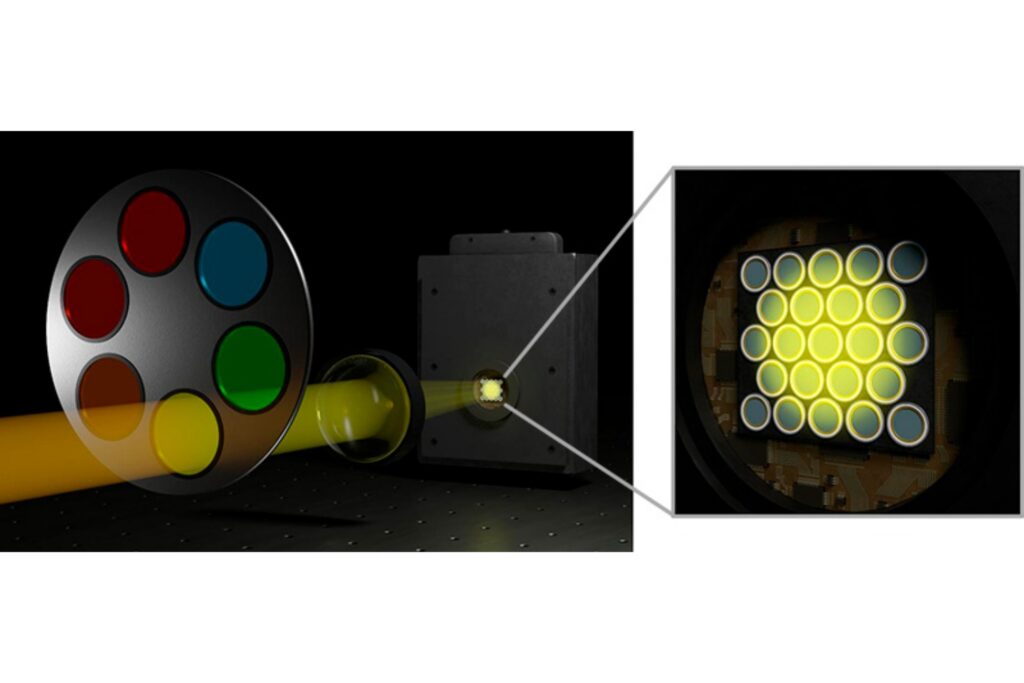
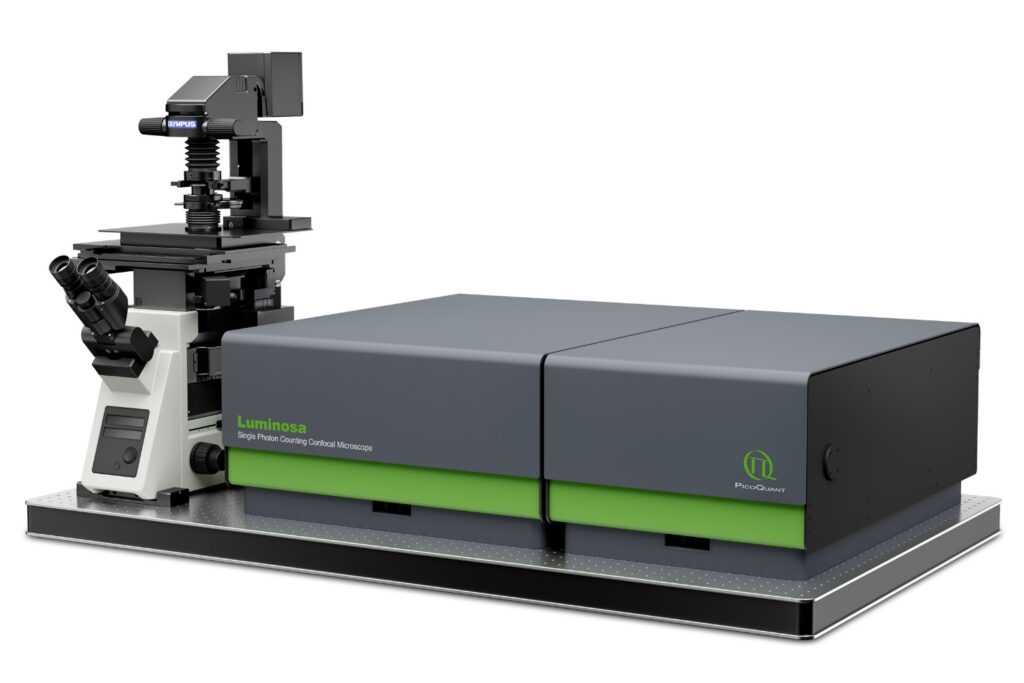
Integrated into the Luminosa single photon counting confocal microscope, the PDA-23 SPAD array provides 23 independent detection pixels with individual time tagging, allowing correlations and cross-correlations to be derived from a single measurement. These capabilities open new possibilities for studying diffusion behavior, molecular interactions, and spatial heterogeneity in biological membranes and other complex systems.