







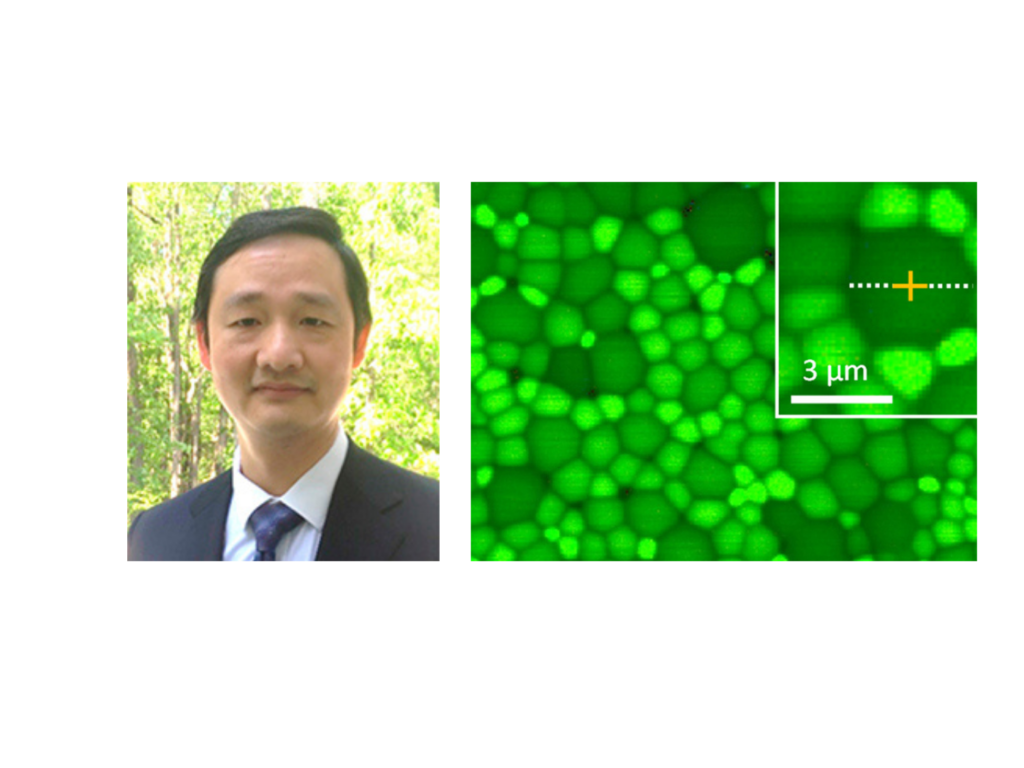
On June 21, 2023, Dr. Jinsong Huang presented the webinar “Microscopic Study of Defects in Metal Halide Perovskites Using FLIM and Capacitance Characterizations.” The presentation focused on a central challenge in perovskite solar cell research: understanding how microscopic defects affect the performance and long-term stability of photovoltaic devices.
Metal halide perovskites have attracted considerable interest because their power conversion efficiencies have risen rapidly. Yet high efficiency alone does not guarantee reliable operation. Defects within the material can influence how electrical charges move and recombine, affecting both the energy a solar cell can produce and how well it maintains its performance over time. Identifying those defects and understanding their effects are essential steps toward improving perovskite devices.
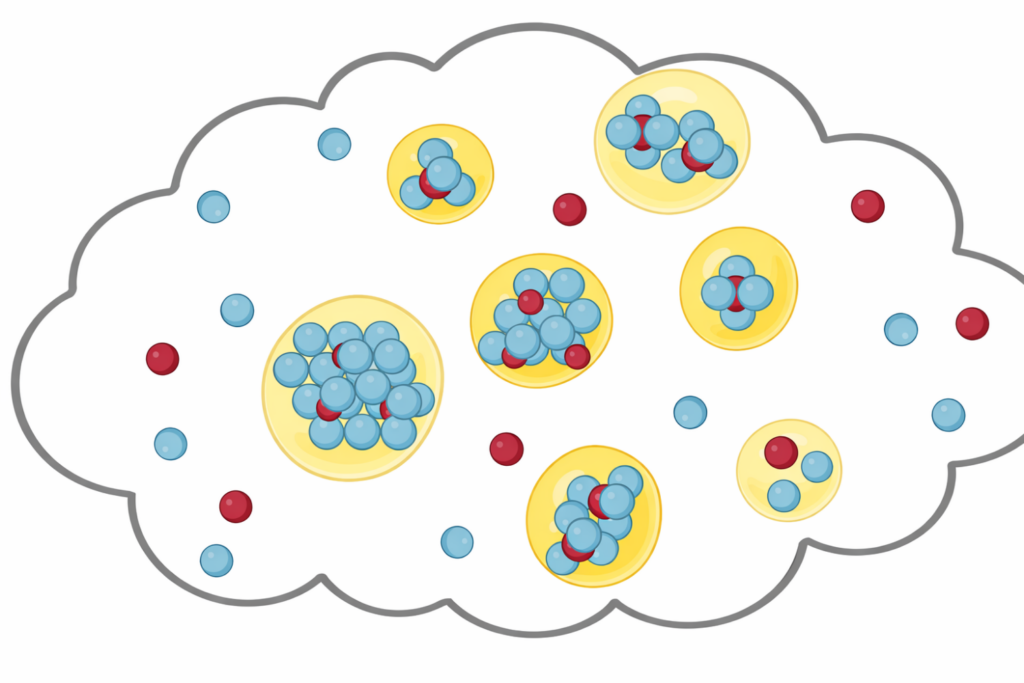
Dr. Huang discussed the critical role of electronic defects in this process. He reviewed progress in strategies designed to eliminate defects or reduce their impact through passivation. These approaches have contributed to advances in perovskite solar cells, but they also raise important questions: Which defects matter most? Where are they located? And how can researchers determine whether a treatment has addressed the underlying problem?
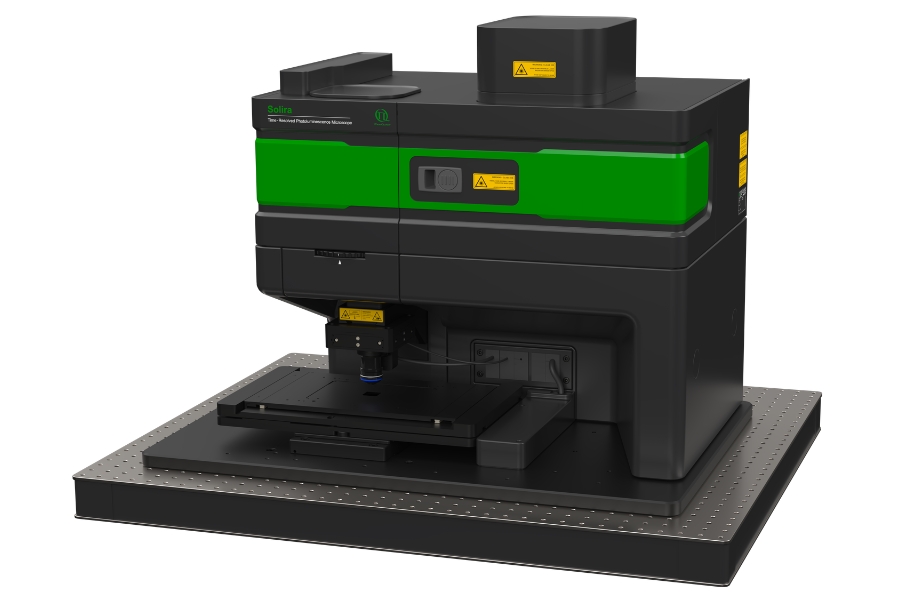
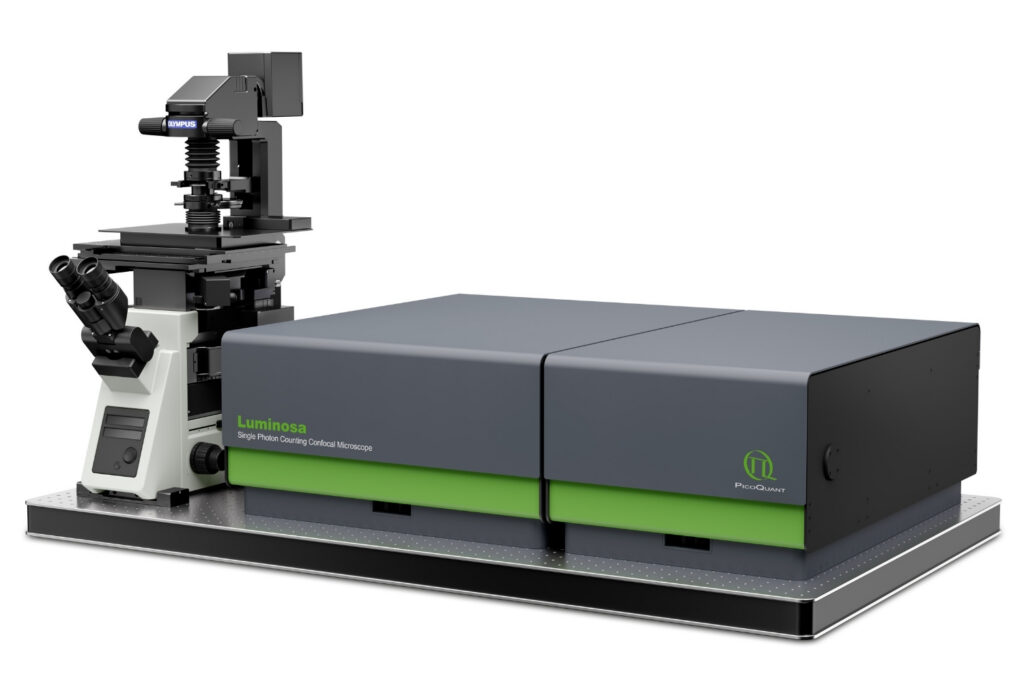
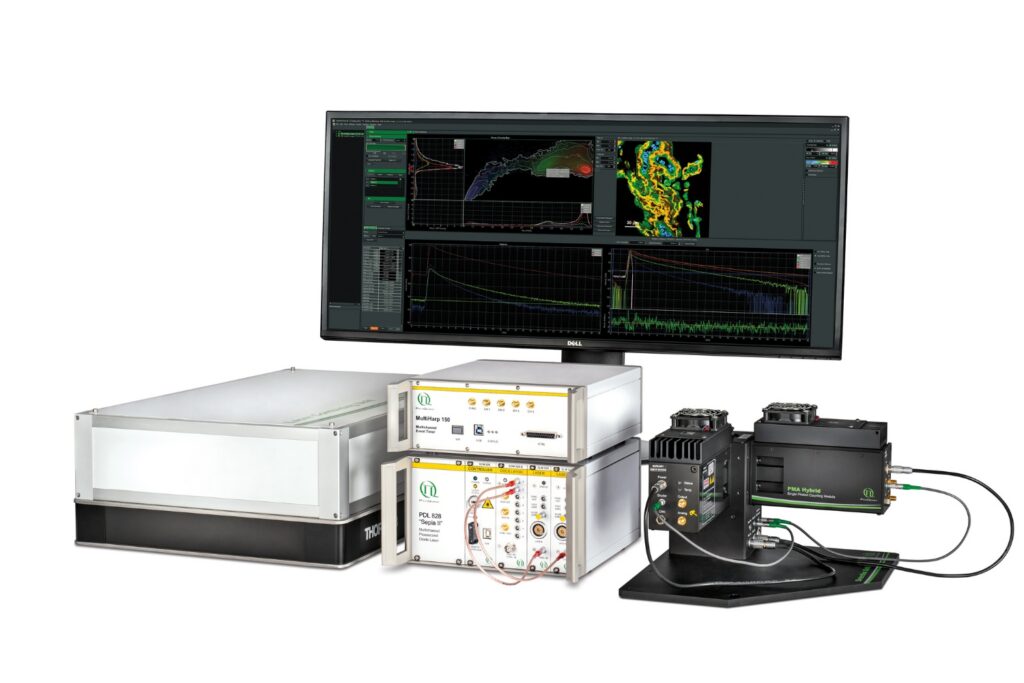
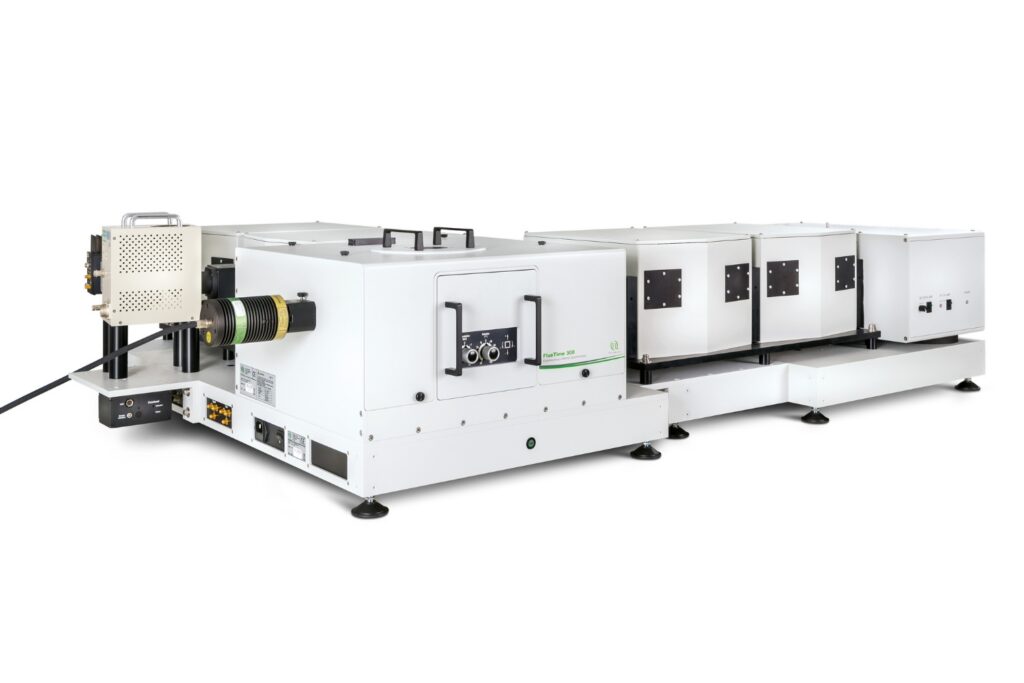
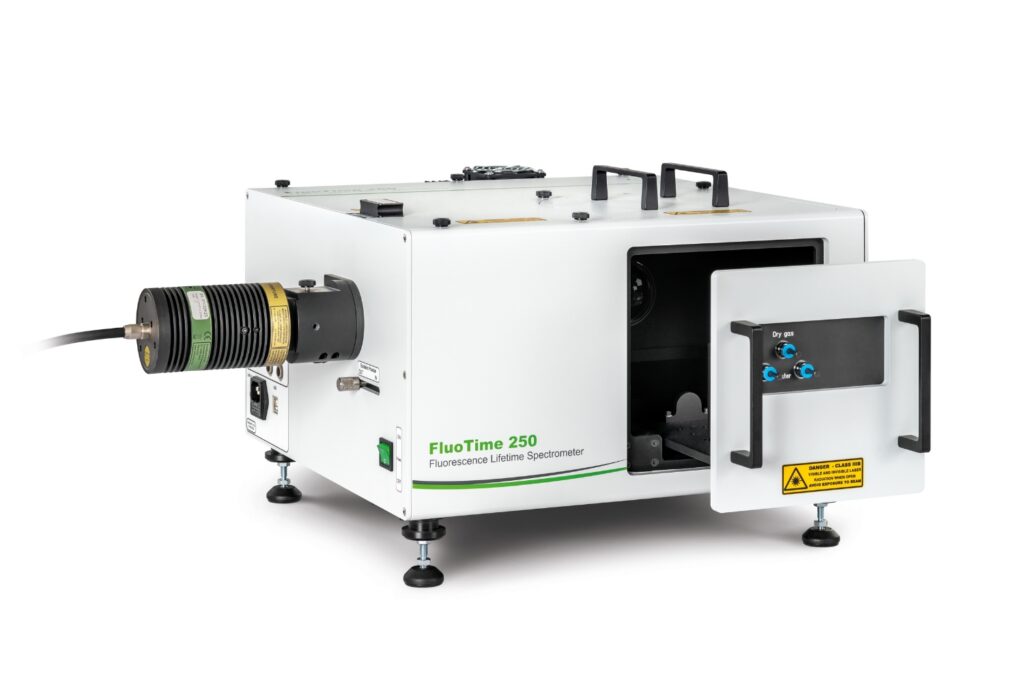
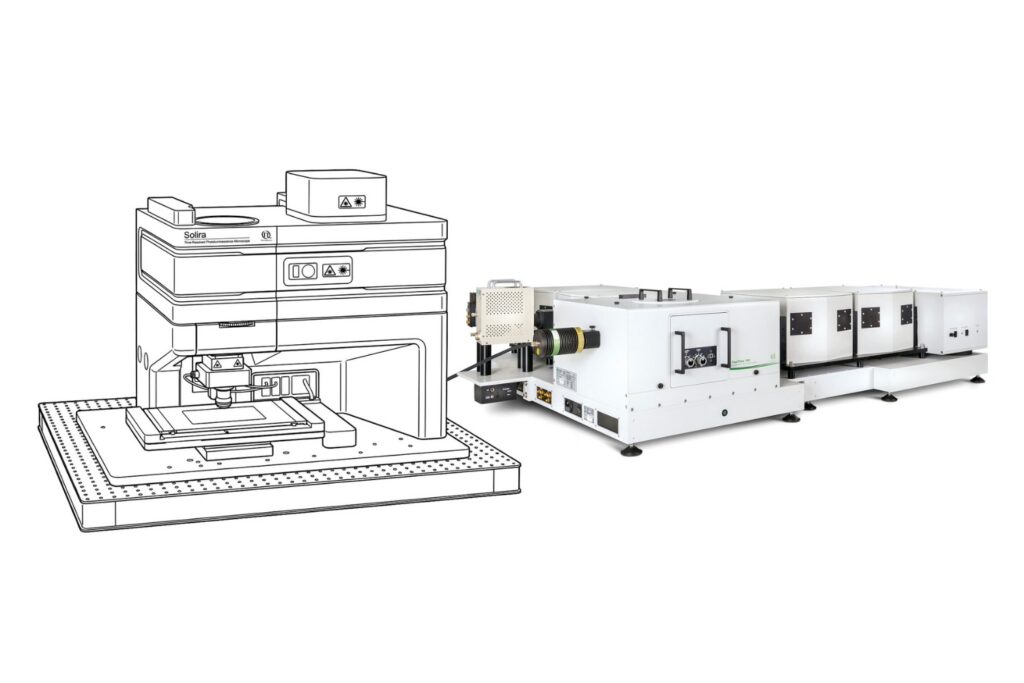
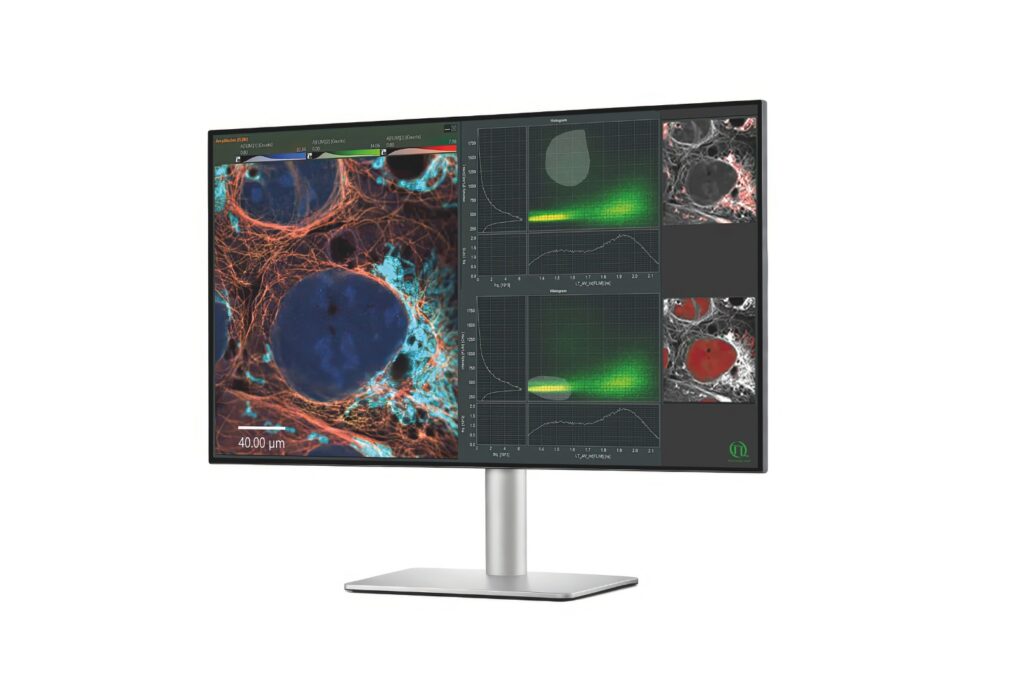
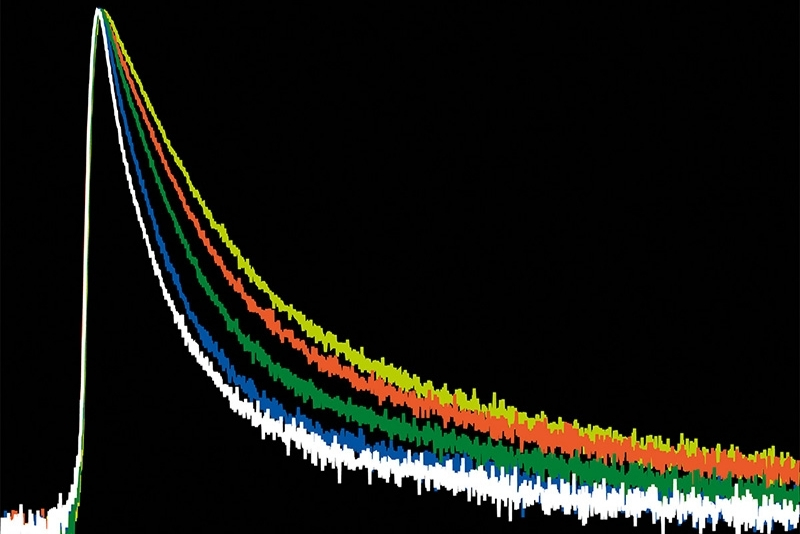
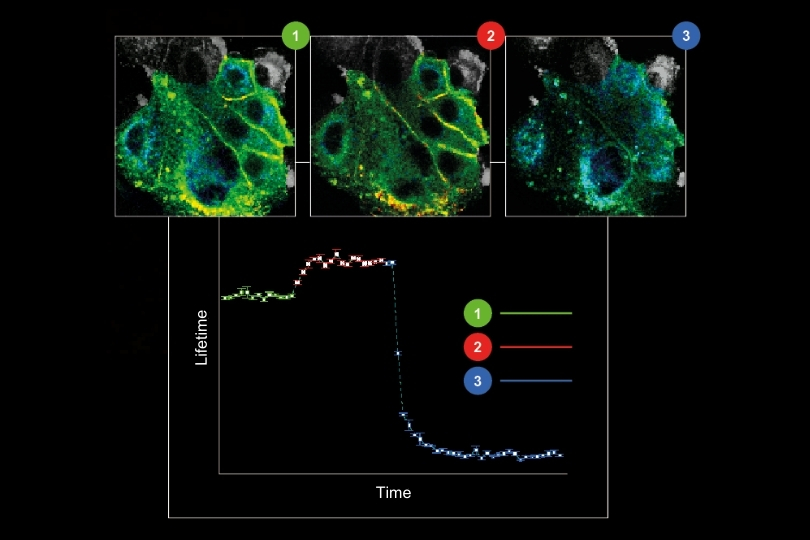
The webinar examined how fluorescence lifetime imaging microscopy (FLIM) can help investigate these questions. By mapping differences in fluorescence lifetime across a sample, FLIM provides a way to observe variations in material behavior at the microscopic scale. These spatially resolved measurements can reveal areas where charge recombination may differ, helping researchers connect local properties with the wider behavior of a device.
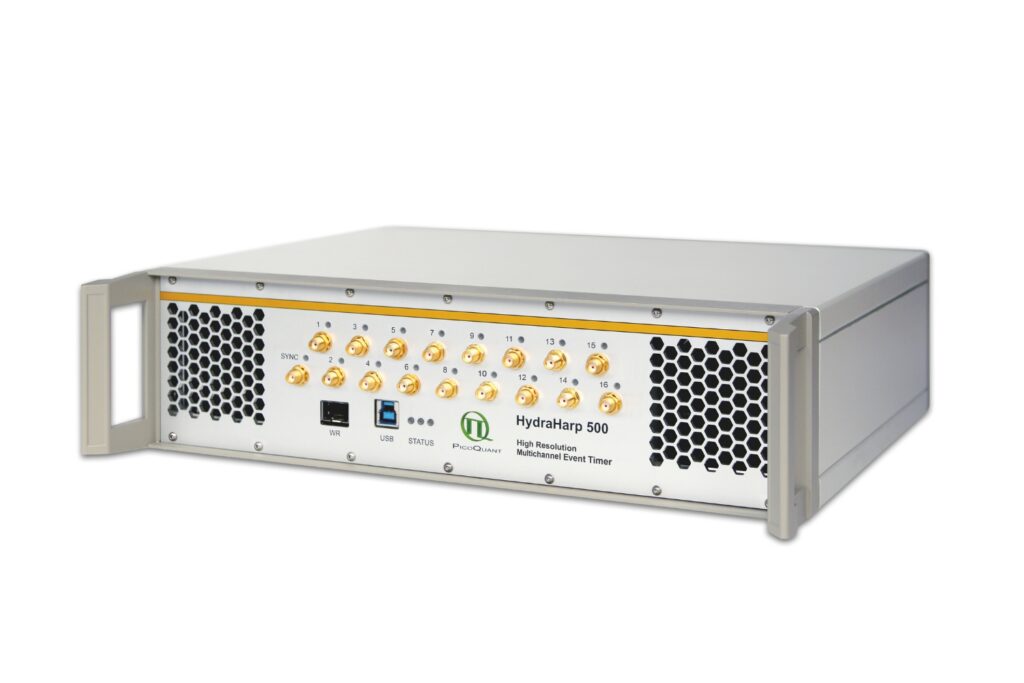
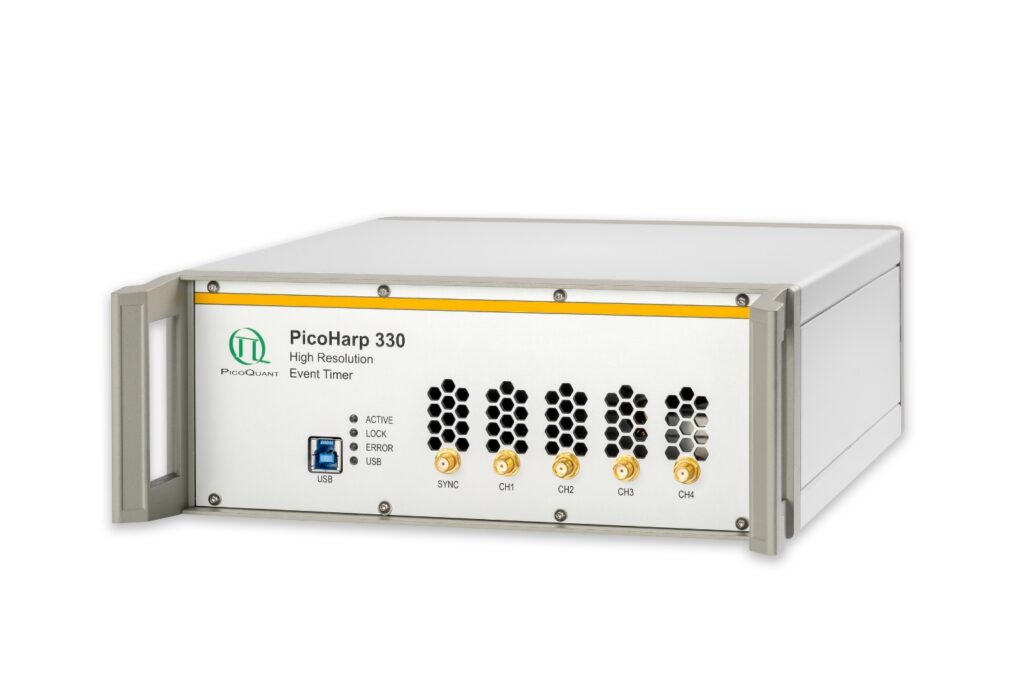
Dr. Huang also discussed capacitance-based characterization as a complementary approach to studying defects. Together, FLIM and capacitance measurements offer different views of how defects influence material properties. Using multiple methods is particularly valuable when a single measurement cannot establish both where an effect occurs and what may be causing it.
Drawing on several studies, the presentation explored questions about the density and chemical nature of defects in metal halide perovskites. It also considered the role of grain boundaries, which separate individual crystalline regions within a material. Whether these boundaries are relatively benign or have effects comparable to defects within the bulk material is an important question for understanding device performance. Microscopic measurements can help researchers examine these regions directly rather than relying only on values averaged across an entire sample.
The webinar connected these characterization methods to the broader goal of developing more efficient and stable perovskite solar cells. If researchers can identify where harmful defects occur and understand how they affect the material, they can better assess the success of passivation strategies and guide future improvements in material preparation and device design.
For scientists working on photovoltaic materials, the presentation offered an overview of the questions that microscopic and electrical measurements can address together. It showed why the study of defects remains important even as reported device efficiencies improve. By examining local behavior alongside electrical properties, researchers can build a more complete picture of the factors that limit performance and stability in metal halide perovskite solar cells.